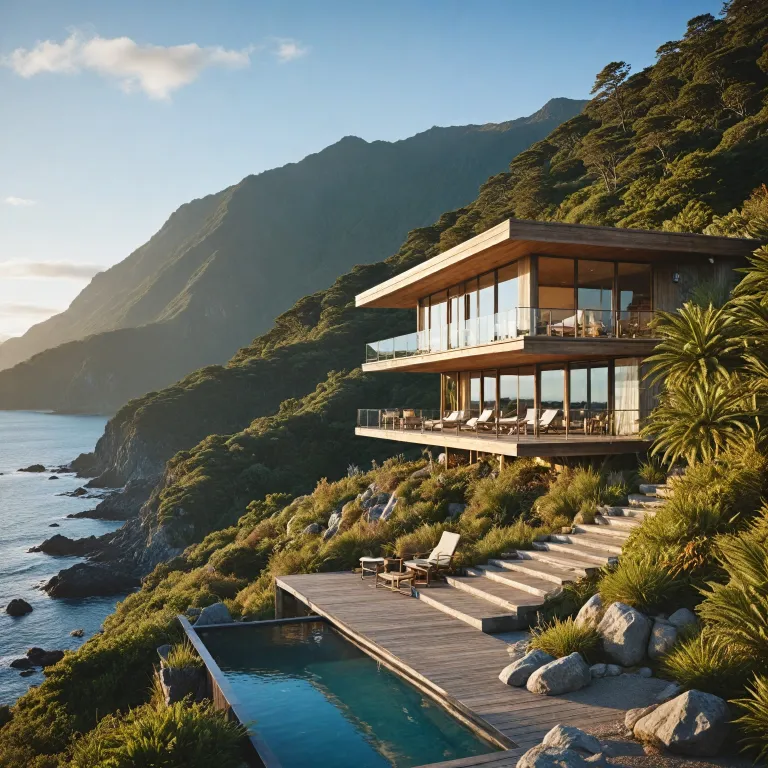
Why luxury eco hotels in New Zealand set a new standard
Luxury eco hotels in New Zealand blend refined comfort with serious environmental intent. In a country where every island feels close to wilderness, this new generation of accommodation shows how luxury and sustainability can coexist without compromise. For travellers comparing options across the north island and south island, the question is no longer whether to choose comfort or conscience, but how to experience best practices in both.
New Zealand’s only 5 Green Star hotel, The Hotel Britomart in central Auckland, anchors this movement in the urban heart of the country. Its design, materials, and energy performance demonstrate how a city stay can feel indulgent while still reducing emissions and waste significantly. For guests planning wider travel across the islands, it also works as a refined starting point before heading to a remote luxury lodge or coastal retreat.
Further south, properties such as Huka Lodge near Taupo and Hapuku Lodge + Tree Houses on the Kaikōura coast show how rivers, mountains, and marine life can shape a stay. These luxury lodges frame views of the Waikato River, the southern alps, or the Pacific, while integrating low impact building and conservation partnerships. As demand for luxury eco hotels in New Zealand grows, these lodges and hotels are refining what “best hotels” means for environmentally aware guests.
Key destinations for a sustainable luxury stay across the islands
Planning a route through New Zealand’s islands is central to choosing the right luxury eco hotels in New Zealand. Many travellers start in Auckland on the north island, then move through Taupo, the Bay of Islands, and finally down to the southern lakes and central Otago. Each region offers a different style of lodge, landscape, and pace, so it helps to match your preferred style of accommodation and activities to each stop.
In Auckland, The Hotel Britomart offers a sophisticated base with easy access to harbour dining and art, ideal before or after a longer lodge stay. From there, a short flight or drive takes you to Taupo, where Huka Lodge and lodge Taupo style properties sit near the Waikato River, offering tranquil gardens and tailored service. Many guests then continue north to the Bay of Islands, combining a villa style luxury lodge with marine excursions around each island and sheltered bay.
Further south, the south island opens into the southern lakes region, where Blanket Bay near Lake Wakatipu showcases alpine luxury with strong sustainability credentials. Central Otago adds vineyard landscapes, while coastal stays near Kaikōura bring you to Hapuku Lodge, whose tree houses rise about ten metres among native trees. By structuring your travel around these hubs, you can experience best regional contrasts while keeping transfers efficient and low stress.
Signature properties that define luxury eco hotels in New Zealand
Certain addresses have become shorthand for luxury eco hotels in New Zealand, thanks to their long standing reputations and clear sustainability roadmaps. Huka Lodge near Taupo is one of the most storied luxury lodges in the south pacific, with manicured grounds beside the Waikato River and refined suites that still feel closely connected to nature. Its riverside paths, tailored fly fishing, and quiet reading nooks make it ideal for guests who value privacy and understated service.
On the coast, Hapuku Lodge + Tree Houses near Kaikōura offers a striking interpretation of a luxury lodge, with elevated tree houses set roughly ten metres above the ground. Guests wake to views of the southern alps on one side and the Pacific on the other, while the main lodge focuses on seasonal dining and local produce. Further north, Kauri Cliffs and similar coastal lodges near the Bay of Islands combine clifftop golf, native forest, and sweeping ocean views across each island.
In the deep south, Blanket Bay on the shores of Lake Wakatipu anchors the southern lakes region for travellers seeking both adventure and comfort. Its stone and timber architecture, combined with efficient energy systems, reflects how luxury lodges can sit lightly in dramatic landscapes. Across these properties, you will often see partnerships with brands such as Rosewood and other global operators, which helps align local character with international service standards.
How sustainability shapes every aspect of your stay
Behind the calm atmosphere of luxury eco hotels in New Zealand lies a detailed framework of sustainability decisions. Many lodges and hotels use high performance insulation, efficient glazing, and low energy lighting to cut consumption significantly compared with conventional accommodation. Camp Glenorchy near the southern lakes, for example, has reported energy use reductions of around fifty percent compared with similar properties, showing what is possible at scale.
Water conservation, waste reduction, and local sourcing are equally central to how a luxury lodge or hotel operates. Kitchens at leading lodges in central Otago, the Bay of Islands, and the north island typically prioritise seasonal produce, line caught fish, and regional wines, which supports local growers while reducing transport emissions. Guests can often read detailed sustainability reports in room compendiums, outlining how each stay contributes to conservation or community projects across both zealand north and zealand south regions.
For travellers, this means your stay can actively support habitat restoration, predator control, or cultural initiatives, rather than simply offsetting emissions. When you book, ask how the lodge or hotel measures its impact, and whether certifications such as a 5 Green Star rating apply. “A 5 Green Star hotel is a property that has achieved the highest rating from the New Zealand Green Building Council for its sustainability practices.”
Design, dining, and experiences that elevate eco luxury
The design language of luxury eco hotels in New Zealand tends to favour natural materials, generous views, and quiet, layered comfort. At a riverside lodge near Taupo or a coastal retreat in the Bay of Islands, you will notice timber, stone, and wool used to frame views rather than compete with them. Large windows and terraces bring the outside in, whether you are facing the Waikato River, Lake Wakatipu, or the distant southern alps.
Dining is a central part of the experience best guests remember, with chefs working closely with farmers, fishers, and foragers across both islands. Menus at Huka Lodge, Hapuku Lodge, and Blanket Bay highlight regional ingredients, from central Otago pinot noir to south island seafood and north island produce. Many properties offer multi course dinners that change daily, allowing you to stay several nights and still feel each meal is new.
Activities are curated to connect you with place, not just to fill time between meals and spa appointments. Guided hikes, lake cruises, and cultural experiences are tailored to each region, whether you are based at a lodge Taupo property, a coastal luxury lodge near Kauri Cliffs, or a southern lakes retreat. Staff will usually help you read local conditions, choose the best excursions, and balance active days with quieter moments on your terrace.
Booking strategies for luxury eco stays across New Zealand
Because many luxury eco hotels in New Zealand are intimate lodges with limited suites, thoughtful booking is essential. You should book well ahead for peak periods on both the north island and south island, especially if you want specific room types or interconnecting suites. Book in advance to secure accommodations at these exclusive properties.
Start by clarifying what you want from each stay, whether it is riverfront calm at Huka Lodge, coastal drama near Kauri Cliffs, or alpine scenery around Lake Wakatipu. Then map your travel days between islands, allowing enough time to enjoy each luxury lodge without rushing long transfers. Inquire about specific sustainability practices to align with personal values, and ask how each property’s offers can be tailored to your interests.
When comparing best hotels and lodges, look beyond headline images and read how they talk about conservation, community, and cultural engagement. Explore local attractions and activities that emphasize environmental conservation, especially in sensitive regions such as the Bay of Islands, central Otago, and the southern lakes. Are luxury eco hotels in New Zealand suitable for families? Yes, many luxury eco hotels in New Zealand offer family-friendly accommodations and activities.
Key statistics on sustainable luxury accommodation in New Zealand
- Number of 5 Green Star hotels currently operating in New Zealand : 1 hotel.
- Number of exclusive villas at Eagles Nest in the Bay of Islands : 5 villas.
- Approximate height of the elevated tree houses at Hapuku Lodge near Kaikōura : 10 metres.
- Typical energy reduction achieved at Camp Glenorchy compared with similar accommodation : about 50 percent.
Essential questions when choosing a luxury eco hotel
What is a 5 Green Star hotel ?
A 5 Green Star hotel is a property that has achieved the highest rating from the New Zealand Green Building Council for its sustainability practices. This rating assesses design, construction, and operational performance, including energy, water, materials, and indoor environment quality. For guests, it signals that the accommodation has been independently evaluated against rigorous environmental benchmarks.
Are luxury eco hotels in New Zealand suitable for families ?
Many luxury eco hotels in New Zealand are well suited to families, with flexible room configurations and tailored activities. Lodges around Taupo, the Bay of Islands, and the southern lakes often provide guided nature walks, gentle water activities, and child friendly dining options. When you book, ask about family specific offers, minimum age policies, and whether private guides or early meal times can be arranged.
How can I verify the sustainability practices of a hotel ?
You can check for certifications from recognized organizations, review the hotel's sustainability policies on their website, and read guest reviews focusing on eco-friendly practices. Many leading lodges publish detailed information about energy use, waste reduction, and conservation partnerships, which helps you compare options across both islands. If anything is unclear, contact the property directly and ask for recent data or reports that support their sustainability claims.