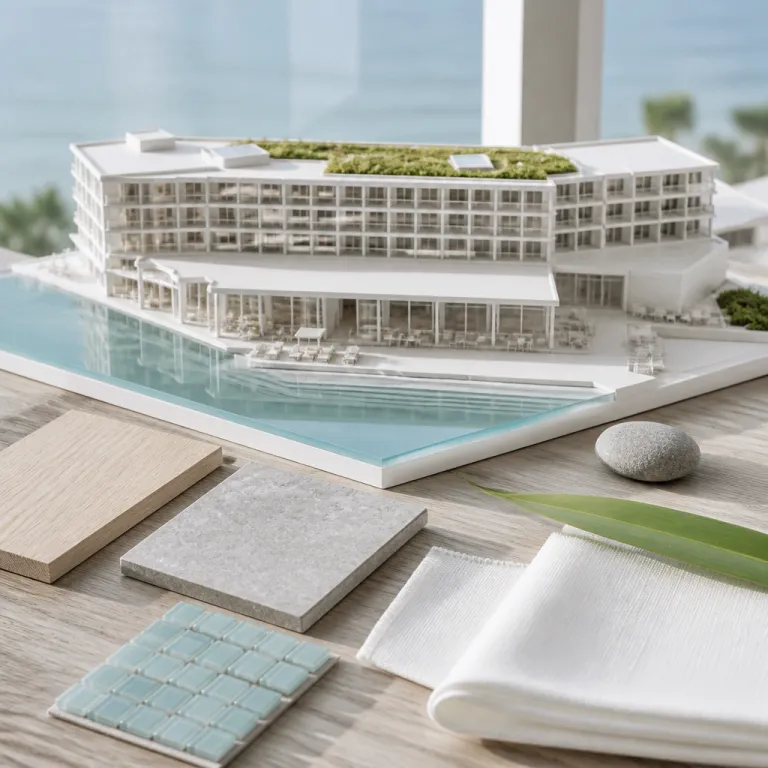
New Zealand hotel development 2025 2026 and the new luxury landscape
New Zealand hotel development 2025 2026 is quietly rewriting the luxury playbook. As new hotel openings roll out across the country, travellers see a sharper focus on characterful design, local culture, and high performing service rather than sheer size. This shift matters if you are choosing between hotels and resorts that look similar on paper but feel very different once you step into the lobby.
Across the main city hubs in Aotearoa New Zealand, each new luxury hotel is part of a broader urban development story. In Auckland, Hamilton, Rotorua, and Queenstown, hotel construction is tied to upgraded waterfronts, revitalised main streets, and mixed use precincts that blend guest rooms, apartments, and retail. For travellers, this means that the hotel offers more than rooms and suites; it anchors a neighbourhood experience that extends well beyond the front door.
Operators and developers describe this period of New Zealand hotel development 2025 2026 as a rare alignment of tourism demand and investment appetite. A Horwath HTL market snapshot released in early 2024 reported national RevPAR growth of just over ten percent year on year, signalling strong performance for both existing hotels and future hotels resorts. While figures such as the 10.5 percent RevPAR uplift are indicative and may vary by source and timing, they collectively point to a sector that is actively reinvesting in better rooms, smarter technology, and more responsive guest service.
Key players shaping luxury hotel development
Several major actors are steering how the next generation of luxury hotels in New Zealand will look and feel. Accor, one of the largest hotel operators in the Asia Pacific region, has expanded its presence with new brands that target younger, design conscious travellers while still offering traditional guest rooms for business and family stays. IHG Hotels & Resorts has added Hotel Indigo Auckland in midtown, a property that uses local art and neighbourhood storytelling to shape the guest experience.
On the development side, Templeton Group is behind the Victoria Street Tower project in Hamilton, a significant urban development that will feature rooms and suites alongside other mixed use elements. In Rotorua, Pukeroa Lakefront Holdings Limited has proposed the Noho Lakeside Hotel, a lakeside luxury hotel that will offer rooms with strong connections to Māori culture and geothermal landscapes. Leisure Accommodation Collective, trading as LA Co, is investing in Drifter branded hotels and hostels in Auckland and Wellington, targeting social, experience led travellers who still expect quality rooms suites and thoughtful design.
Each group brings a different philosophy to the current NZ hotel pipeline 2025–26, but all share a focus on sustainability, local partnerships, and flexible spaces for meetings and events. For guests, this translates into hotels that will feature rooms with better natural light, more efficient climate control, and materials chosen for durability as well as style. When you compare hotel offers across these brands, pay attention to how each managing director or chief executive describes their commitment to community engagement and environmental performance.
City by city: where new luxury rooms are arriving
New Zealand hotel development 2025 2026 is not evenly spread; it clusters in a few strategic city locations. Auckland remains the primary gateway, with new hotels and resorts concentrated in midtown, the waterfront, and the airport corridor. Hotel Indigo Auckland, for example, is located in the heart of the city, placing guests within walking distance of major offices, dining districts, and cultural venues.
In Hamilton, the Victoria Street Tower project signals confidence in the city as a rising business and events hub. The development will feature rooms and suites designed to support both corporate travellers and leisure guests attending sports fixtures or regional festivals. With more than one hundred million New Zealand dollars in hotel related investments flagged by the Hamilton City Council in recent reporting, travellers can expect a new generation of guest rooms that blend river views with easy access to the central business district.
Rotorua and Queenstown round out the key destinations in the current wave of hotel openings. Rotorua’s proposed Noho Lakeside Hotel will offer rooms that frame the lake and geothermal activity, while Queenstown’s NOCTIS project adds further depth to the alpine luxury resort scene. If you are planning a trip that spans several cities, this pattern of development means you can design an itinerary that moves from urban luxury hotel stays to nature focused resorts without sacrificing service standards or amenities.
How new development affects trip budgets
When a city gains new hotels, room rates do not simply fall; instead, price bands tend to widen. New Zealand hotel development 2025 2026 is creating more choice at the upper end, from intimate luxury hotel properties to larger hotels resorts with extensive facilities. This variety allows you to trade between room size, view, and access to amenities such as a spa or convention centre depending on your budget.
Policy settings also influence what you ultimately pay for a hotel in New Zealand. Travellers tracking the return of visitor levies and tourism taxes should review up to date analyses of the New Zealand visitor levy cost review when planning multi city itineraries. These levies interact with hotel offers, especially in major city markets where councils use revenue to fund urban development that benefits both residents and guests.
To manage costs while still enjoying the benefits of the current hotel building cycle, consider booking midweek stays in business focused hotels that will offer competitive rates outside peak meetings and events periods. In resort destinations, look for shoulder season packages that include dining credits or spa access, which can deliver better overall value than chasing the lowest nightly rate. Always compare what each hotel will feature in terms of included services, such as breakfast, parking, or late checkout, before finalising your booking.
What luxury travellers can expect inside the new hotels
For guests, the most tangible impact of New Zealand hotel development 2025 2026 is felt inside the rooms and public spaces. New properties are being designed with a clear separation between sleeping, working, and relaxing zones, even in standard guest rooms. Suites often add generous living areas, kitchenettes, and balconies, giving longer stay travellers more flexibility without moving into serviced apartments.
Many of the latest hotels and resorts in Auckland and other cities will feature rooms with floor to ceiling windows, integrated lighting controls, and high speed connectivity as standard. In several new builds, the hotel will offer rooms suites that open onto private terraces or shared rooftop lounges, creating semi outdoor spaces where guests enjoy harbour views or city skylines. If private outdoor space matters to you, consult curated resources such as a specialist guide to Auckland stays with private balconies before you book.
Wellness is another defining thread in New Zealand’s upcoming luxury hotels, with more properties integrating a spa, fitness studios, and even small pools into compact city footprints. These facilities are no longer reserved only for large resort complexes; many urban hotels now feature rooms located near wellness floors for easier access. When comparing options, check whether the hotel offers complimentary spa access or charges a separate fee, as this can materially change the value equation for longer stays.
Spaces for business, meetings, and events
Corporate and conference travellers stand to gain significantly from the current wave of hotel openings. New Zealand hotel development 2025 2026 is closely linked to the growth of meetings and events, with new properties integrating flexible ballrooms, breakout rooms, and hybrid meeting technology. In Auckland, several hotels are positioned to complement the city’s main convention centre, giving delegates a choice of accommodation styles within a short walking radius.
If you are planning a corporate retreat or product launch, look for hotels resorts that will offer integrated packages covering guest rooms, catering, and venue hire. A dedicated managing director or director of sales often oversees these programmes, ensuring that the hotel offers consistent service across both accommodation and events. For a curated overview of suitable venues, consult a specialised resource such as a refined guide to top Auckland hotels for conferences before sending out requests for proposals.
Outside Auckland, Hamilton’s emerging role as an events city is underpinned by projects like Victoria Street Tower, which will feature rooms and suites designed with business travellers in mind. Rotorua and Queenstown continue to blend resort style leisure with serious meetings and events infrastructure, appealing to incentive groups that want both productive sessions and memorable offsite activities. When you evaluate options, ask how the hotel will feature technology support, natural light, and outdoor breakout spaces, as these details often define the success of a corporate gathering.
Dining, culture, and the local lens on luxury
One of the most distinctive aspects of New Zealand hotel development 2025 2026 is the way dining and cultural storytelling are woven into the guest journey. Rather than generic menus, many hotel restaurants now highlight regional produce, Māori ingredients, and seasonal tasting formats. This shift allows guests to experience New Zealand’s food culture without leaving the property, while still encouraging exploration of nearby independent venues.
Hotel Indigo Auckland is a clear example, using neighbourhood narratives and local art to shape both its public spaces and its dining concepts. Across the country, new hotels and resorts are commissioning local artists, carvers, and designers to create works that reflect each city and landscape. When a hotel will feature such collaborations, the result is a richer sense of place that helps guests enjoy a more grounded experience of Aotearoa.
Luxury hotel operators are also rethinking how bars, cafés, and lobby lounges function throughout the day. Spaces that once sat empty between breakfast and evening service now host casual business meetings, co working, and small scale cultural events. As you compare hotel offers, look for properties that will offer all day dining options, thoughtful non alcoholic pairings, and flexible seating, especially if you plan to work remotely or entertain clients on site.
Global brands, local stories
International names play a visible role in New Zealand hotel development 2025 2026, but the most successful projects feel distinctly local. Accor’s expansion, for example, brings global standards in training and systems while still partnering with New Zealand based suppliers and communities. IHG’s Hotel Indigo Auckland follows a global brand template yet adapts it to the specific history and architecture of its midtown location.
Future pipeline conversations often mention aspirational brands such as Waldorf Astoria, which many travellers associate with ultra luxury hotels and resorts in the Asia Pacific region and beyond. While no Waldorf Astoria hotel openings have been confirmed in New Zealand at the time of writing, the standard set by such brands influences how local developers think about service, suites, and amenity design. Guests benefit as more properties aim to compete at that level, even if they operate under different flags or independent identities.
Behind the scenes, chief executive teams and regional managing directors are using detailed market analysis to decide where each new hotel will be located and what mix of guest rooms, suites, and public spaces it should include. Their decisions shape whether a property leans more towards business travellers, leisure guests, or a balanced mix. As one Auckland based general manager recently observed in industry commentary, “guests are no longer choosing only between price points; they are choosing between stories.” For travellers, understanding this positioning helps you choose a hotel that aligns with your priorities, whether that is quiet spa time, vibrant dining, or proximity to the central business district.
How to choose the right luxury stay in this new era
With so many projects in the pipeline, New Zealand hotel development 2025 2026 can feel overwhelming from a booking perspective. Start by clarifying whether your trip is primarily leisure, business, or a blend of both, as this will narrow the field quickly. A resort on the edge of Queenstown offers a very different rhythm from a city hotel located in the heart of Auckland’s commercial grid.
Next, decide which in house facilities are non negotiable for you. If wellness is central, prioritise hotels and resorts that will feature a full spa, well equipped gym, and perhaps a pool or hot tubs. If you are travelling for meetings and events, focus on properties that will offer well designed function rooms, reliable technology, and easy access to a major convention centre or corporate cluster.
Finally, pay attention to how each property talks about its role in the surrounding city and community. New Zealand hotel development 2025 2026 is closely tied to urban development goals, from waterfront renewal to improved public spaces and transport links. When a hotel will feature partnerships with local tour operators, cultural institutions, or sustainability initiatives, it often signals a more thoughtful approach to both guest experience and long term impact.
Booking strategies for peak demand
High occupancy levels are a defining feature of the current New Zealand market, especially in gateway cities and major resort areas. With RevPAR growth above ten percent reported in recent industry data, travellers should expect strong demand during school holidays, major events, and cruise seasons. Booking early is not just a cliché; it is a practical response to a tight market shaped by New Zealand hotel development 2025 2026.
Consider joining loyalty programmes for your preferred hotel group, as these often unlock better cancellation terms, room upgrades, or late checkout options. When comparing rates, look beyond the headline price to see whether the hotel offers flexible booking conditions, breakfast inclusions, or credits for dining and spa services. These inclusions can significantly enhance how guests enjoy their stay, especially in luxury segments where on site spending is part of the overall experience.
Finally, keep an eye on secondary cities such as Hamilton and Rotorua, where new development is expanding capacity and sometimes moderating prices compared with the largest city markets. As projects like Victoria Street Tower and Noho Lakeside Hotel progress, they will offer compelling alternatives for both leisure and business itineraries. Staying informed about New Zealand hotel development 2025 2026 allows you to align your travel plans with the freshest openings and the best value.
Statistics shaping New Zealand hotel development 2025 2026
- RevPAR growth of approximately 10.5 percent was reported in a Horwath HTL analysis released in February 2024, indicating strong revenue performance across New Zealand hotels during the current development cycle. Travellers should treat this as directional rather than definitive, as individual property results and later updates may differ.
- Hotel investments of roughly 100 million New Zealand dollars have been associated with projects in Hamilton, according to indicative data from the Hamilton City Council, underscoring the city’s emergence as a significant business and events destination.
- Industry reporting has identified around 191 new hotel rooms entering the New Zealand market in a recent period, reflecting the tangible impact of New Zealand hotel development 2025 2026 on national accommodation capacity.
- Key development timelines include the opening of Hotel Indigo Auckland in April 2025, the announcement of NOCTIS Queenstown in August, and the presentation of Victoria Street Tower in June, illustrating a steady pipeline of hotel openings and proposals. Exact months and milestones may shift as projects move through planning and construction.
- Sector objectives linked to these investments include increasing hotel capacity, diversifying accommodation types, and supporting urban development in Auckland, Hamilton, Rotorua, and Queenstown, all of which directly influence traveller choice and pricing.
Frequently asked questions about New Zealand hotel development 2025 2026
What new hotels opened in New Zealand in 2025?
Hotel Indigo Auckland opened in the midtown area, bringing a design led, neighbourhood focused concept to the central city. Accor also expanded its Auckland portfolio with JO&JOE and TRIBE branded properties, targeting younger and lifestyle oriented travellers. These hotel openings added fresh options for both leisure and business guests seeking modern rooms and strong connectivity.
What major hotel developments are planned for 2026?
The Pullman Hamilton redevelopment is a headline project, expected to elevate the city’s status as a meetings and events hub. Leisure Accommodation Collective is progressing with Drifter branded hotels and hostels in Auckland and Wellington, aimed at social, experience driven travellers. Together, these developments illustrate how New Zealand hotel development 2025 2026 is reshaping both traditional hotel and hybrid accommodation segments.
Which cities are seeing the most significant hotel investments?
Auckland leads in absolute scale, with multiple hotels and resorts either opening or under development across the central city and waterfront. Hamilton is attracting substantial investment through projects like Victoria Street Tower and the Pullman redevelopment, while Rotorua and Queenstown continue to see strong resort focused pipelines. For travellers, this means a growing choice of luxury hotel options across both urban and nature based destinations.
What is the expected impact of these developments on travellers?
The main impact is greater choice in room types, price points, and locations, especially in the luxury and upper upscale segments. Travellers can expect more hotels that will feature high quality guest rooms, integrated wellness facilities, and locally inspired dining concepts. At the same time, increased capacity in some markets may help stabilise rates outside peak periods, particularly for advance bookers.
Who are the key players behind New Zealand hotel development 2025 2026?
Accor and IHG Hotels & Resorts are leading international operators, with properties such as JO&JOE, TRIBE, and Hotel Indigo Auckland expanding their New Zealand footprint. On the development side, Templeton Group, Pukeroa Lakefront Holdings Limited, and Leisure Accommodation Collective are central to projects in Hamilton, Rotorua, and the main cities. Their combined efforts, often in partnership with local councils and tourism boards, are driving the current wave of hotel openings and upgrades.