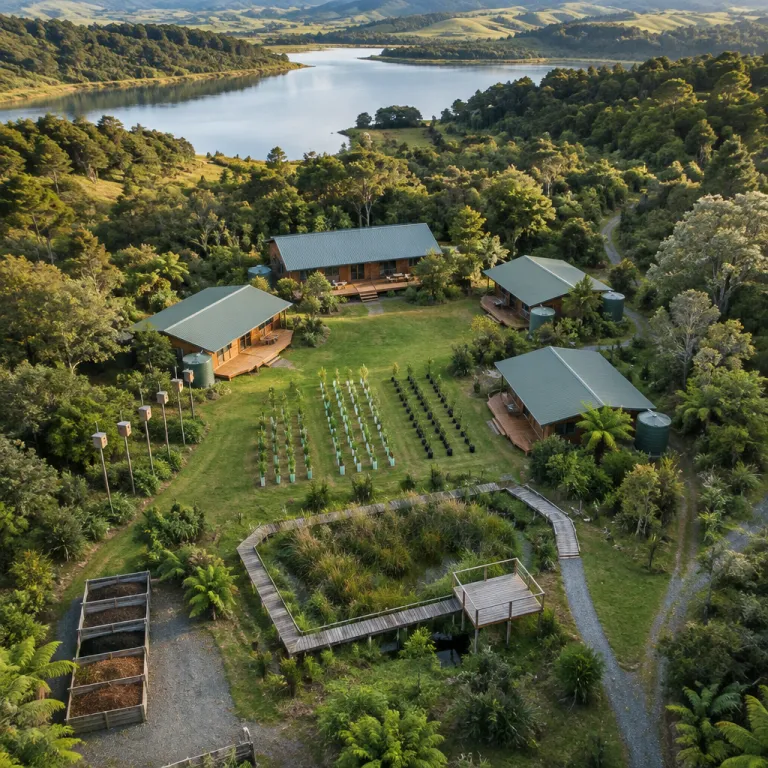
World Tourism Day and the new standard for New Zealand luxury
World Tourism Day lands at the end of September, and in Aotearoa New Zealand it now arrives with sharper questions about impact. For travelers who care about sustainable tourism New Zealand luxury, the date is less a celebration and more a quiet audit of how the tourism industry treats land, water and people. On this day, tourists with a high awareness of their footprint are starting to ask which zealand luxury lodges genuinely support local communities and which simply report good intentions in glossy brochures.
Across tourism New Zealand, the language has shifted from sustainability to regeneration, and that shift matters. Sustainable tourism once meant doing less harm, while the new regenerative approach asks whether your travel will leave island Zealand ecosystems and Māori cultural landscapes better than you found them. For solo travelers planning a short term escape, that means choosing tours, stays and experiences in Zealand where sustainability tourism is measured in predator traps checked, native trees planted and communities protecting their own stories.
Luxury in Aotearoa Zealand is no longer defined only by thread count or the view from the infinity pool. The most interesting zealand luxury properties now treat sustainability as a design principle, from low carbon footprint architecture to menus that read like a report on local growers. On World Tourism Day, sustainable tourism New Zealand luxury becomes a test of whether tourism businesses can show long term commitments rather than one day campaigns.
For the tourism industry, this global day exposes a number high on every dashboard, from visitor arrivals to emissions per private vehicle transfer. The growth in demand for eco friendly experiences Zealand wide is real, and it is reshaping how high end lodges talk about sustainable development and sustainability tourism in their marketing. Travelers who care about their carbon footprint are starting to book only where tourism businesses can show that tourism will fund conservation, not just comfort.
From doing less harm to leaving Aotearoa better
Regenerative travel in New Zealand begins with land, and the most credible lodges treat every day as World Tourism Day. On properties from Northland to Fiordland, the strongest sustainable tourism New Zealand luxury stories start with predator control lines, wetland restoration and native replanting projects that guests can actually walk through. When tourism New Zealand operators invite you to join a morning tour with the grounds team, you see how sustainability becomes a lived experience rather than a marketing line.
Partnership with Māori iwi and hapū is another non negotiable marker of serious sustainability tourism. The best zealand luxury lodges operate on land where mana whenua have a clear voice in governance, employment and the design of cultural experiences in Zealand, not just a welcome song at the start of a tour. As a traveler, you should feel that your tourism spend will support local communities through training, guiding roles and long term revenue sharing, not short term performances.
Food is where regenerative travel becomes deliciously tangible for many tourists. Across island Zealand, chefs are building menus that reduce the carbon footprint of every plate by sourcing within a tight radius, often from the same valley you can view from your room. If you want to understand this shift in depth, look at New Zealand’s quiet food revolution at the farm gate, where luxury travelers are now driving demand for hyper local, eco friendly supply chains rather than imported delicacies ; this is exactly the kind of change explored in our guide to the country’s quiet food revolution.
Regeneration also shows up in how lodges manage movement, because private vehicle transfers are one of the biggest contributors to a traveler’s footprint. Some of the most forward thinking tourism businesses now bundle shared transfers, electric vehicles and even Air New Zealand flight emissions reporting into their offers. For solo travelers who care about sustainable tourism New Zealand luxury, asking how your travel to and from the lodge will be handled is as important as choosing the right room category.
How to tell real giving back from greenwashing
World Tourism Day marketing can make every property sound sustainable, so you need sharper questions. When a zealand luxury lodge talks about sustainable tourism, ask for specific numbers on conservation spend, such as how much per guest night goes to predator control, native planting or Department of Conservation partnerships. If the team can show a clear report or dashboard, you are seeing sustainability tourism backed by data rather than slogans.
Ownership and employment are the next filters for serious travelers. A property that claims to support local communities should be able to explain how many staff come from nearby towns, how many roles are held by Māori, and what training pathways exist for long term careers in the tourism industry. When tourism New Zealand operators are vague about who benefits financially from your stay, the growth they celebrate may not translate into communities protecting their own futures.
Conservation partnerships are another strong indicator of genuine sustainable development. Look for lodges that work closely with the Department of Conservation on track maintenance, species monitoring or research, and that invite tourists to join hands on experiences in Zealand such as tree planting or beach clean ups. We have profiled several such places in our feature on zero waste lodges that turned sustainability from brochure copy into practice, where sustainable tourism New Zealand luxury is measured in kilograms of waste diverted and hectares restored.
Waste and energy systems reveal a lot once you look beyond the view. Ask how the lodge manages greywater, what percentage of energy comes from renewables, and whether the number high on their recycling claims is matched by reductions in total waste. Travelers who care about their carbon footprint should also ask whether Air New Zealand flights, ground tours and on site activities are tracked together, so that the full travel footprint will be visible rather than hidden in separate reports.
Questions to ask before you book a New Zealand lodge
For solo travelers planning a spring trip around World Tourism Day, the booking stage is where your influence is strongest. When you enquire with a zealand luxury property, ask who owns the land, how Māori iwi are involved and what percentage of staff come from local communities. A lodge that treats sustainable tourism New Zealand luxury seriously will answer clearly, while tourism businesses that rely on vague sustainability language often struggle with these basics.
Transport is the next frontier for lowering your travel footprint without sacrificing comfort. Ask whether the lodge offers shared transfers instead of a private vehicle by default, and whether any electric or hybrid options are available for tours and day trips. If the number high on solo transfer usage is falling because more tourists choose shared options, that is a sign of real growth in sustainability tourism rather than short term campaigns.
Conservation contributions should be as transparent as the room rate. Before you confirm, request a simple report on how guest nights translate into conservation outcomes, from hectares under predator control to seedlings planted in island Zealand habitats. Properties that embrace sustainable development will often invite you to join on site experiences in Zealand, turning a standard tour into a day where your time and money both support communities protecting their land.
Finally, look at how a lodge talks about the future, not just this season. Ask what long term sustainability goals they have set, how they plan to work with Tourism New Zealand and the wider tourism industry, and whether they are aligning with Air New Zealand or other partners on shared carbon footprint targets. For an up to date sense of which openings and refurbishments are taking these questions seriously, our coverage of new wave New Zealand hotel openings tracks where sustainable tourism New Zealand luxury is moving next.
FAQ
How can I check if a New Zealand lodge is genuinely sustainable ?
Start by asking for specific data on conservation spending, energy use and waste reduction, ideally in a simple report that covers at least the last few seasons. A credible property in Aotearoa Zealand will explain how much per guest night goes to conservation, how it partners with the Department of Conservation or local conservation trusts, and how it measures its carbon footprint across transport, operations and tours. If the answers stay vague or focus only on optional offsets, you are likely seeing marketing rather than meaningful sustainable tourism.
What questions should solo travelers ask before booking a luxury stay ?
Solo travelers should ask about ownership, local employment and Māori partnership first, then move to transport and conservation. Check whether the lodge offers shared transfers instead of a private vehicle by default, whether any eco friendly vehicles are available, and how tours are designed to support local communities rather than bypass them. Finally, ask what long term sustainability goals the property has set and how it works with Tourism New Zealand or other tourism industry bodies to align with national sustainable development priorities.
Does choosing Air New Zealand flights make a difference for sustainable travel ?
Choosing Air New Zealand can help you track your travel footprint more clearly, because the airline publishes detailed sustainability reporting and works closely with Tourism New Zealand on industry wide initiatives. While a single airline choice will not erase your carbon footprint, it can be part of a wider pattern of decisions that include staying at lodges with strong conservation programmes and using shared or electric transfers on the ground. The key is to look at your entire journey, from flights to tours, as one connected sustainable tourism New Zealand luxury experience.
Are eco friendly lodges in New Zealand more expensive than traditional luxury properties ?
Prices at leading sustainable tourism New Zealand luxury lodges often sit at the high end of the market, but that premium usually reflects conservation levies, local employment commitments and investment in low impact infrastructure. When you compare options, look beyond the nightly rate to see what is included, such as guided conservation experiences in Zealand, donations to local communities or Department of Conservation projects, and lower impact transport. Many travelers find that the added value of meaningful experiences and transparent giving back justifies the cost.
Can short term stays still support long term conservation in New Zealand ?
Short term visits can absolutely contribute to long term conservation if they are channeled through the right tourism businesses. Each guest night at a well run zealand luxury lodge can fund predator control, native planting and cultural programmes that continue long after you leave, especially when the number high on conservation spend per guest is locked into the business model. The most effective thing you can do is choose properties that treat sustainable development as core strategy, not as an optional extra for World Tourism Day alone.