Why a New Zealand hot springs wellness lodge feels different
A New Zealand hot springs wellness lodge does not start with a treatment menu, it starts with the land. The most memorable wellness experience here is the simple act of moving between mineral rich geothermal waters and glacier fed rivers, a contrast therapy ritual that feels shaped by the country’s raw geology rather than by a spa consultant. For solo travelers, that step from hot to cold becomes a quiet reset, a way to feel a deeper wellbeing connection to Aotearoa’s landscapes without needing a group retreat.
Across the central North Island, geothermal springs rise as steaming pools, terraces and vents, turning entire valleys into natural spa wellness corridors. These hot springs are not an abstract wellness destination concept ; they are working geothermal waters that heat homes, power industry and, in carefully managed sites, feed hot pools and thermal pools where you can soak under open skies. When a lodge is built around this geothermal water rather than beside it, wellness stops being an add on and becomes the organizing principle of the stay.
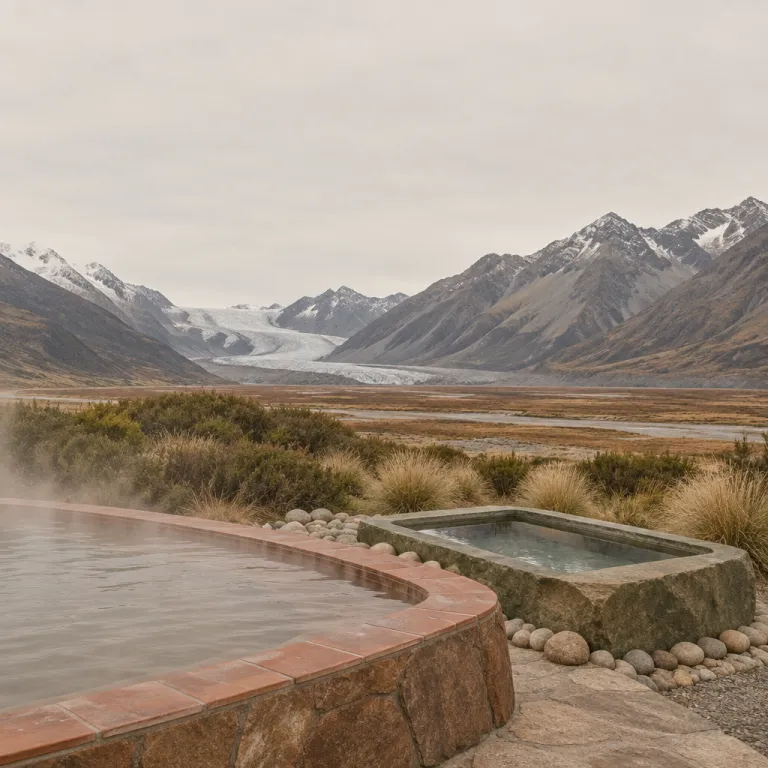
In the South Island, the ritual changes temperature but not intent, as snow capped ranges send meltwater down into clear rivers and deep lakes that sharpen the senses in seconds. Here, the new zealand hot springs wellness lodge idea often means pairing a cedar hot tub or hot pools with direct access to cold wai water, so you can move between extremes without leaving the property. This is where the Kiwi version of contrast therapy quietly rivals Nordic traditions, using nothing more than geothermal water, alpine streams and thoughtful hospitality.
North Island geothermal belt: where hot springs shape the stay
The central plateau between Rotorua and Taupō is the clearest expression of a New Zealand hot springs wellness lodge, because geothermal springs sit almost beneath the floorboards. Here, the ground exhales steam, wai water bubbles up as naturally heated pools, and the best lodges design their spa wellness spaces to frame this geothermal theatre rather than hide it. You feel the wellness experience begin the moment you step onto a deck warmed by the earth itself.
Many properties in this geothermal belt work closely with local iwi, especially Ngāti Tūwharetoa and Ngāti Whakaue, to respect both the cultural significance and the fragility of the wai water. That collaboration shapes everything from where hot pools are sited to how spa offers are timed around opening hours for public access areas on the same site. When you slide into thermal pools fed by geothermal water, you are entering a living landscape that carries stories, not just a private day spa courtyard.
Some lodges here use contrast therapy in a particularly Kiwi way, pairing hot springs pools with short walks to cooler lakes or shaded forest streams. You might soak in mineral rich geothermal waters at dawn, then take a brisk step down to the lake edge for a cold immersion before breakfast, repeating the cycle as your own informal therapy ritual. For travelers who later head south, this rhythm of hot and cold becomes a natural prelude to alpine stays such as a refined rural retreat near Aoraki, where properties like Mount Cook lodges in Aoraki National Park extend the water focused wellness journey into glacial country.
South Island alpine waters: glacial contrast without the crowds
Shift south and the new zealand hot springs wellness lodge narrative cools, trading steam for crisp air and snow capped horizons. In alpine regions such as Aoraki Mount Cook and Wānaka, the wellness destination is not a single spa site but a network of rivers, lakes and small hot pools that lodges quietly curate into a personal ritual. You might move from an outdoor cedar tub to a glacial fed stream in minutes, using the landscape as your own contrast therapy circuit.
Properties around Aoraki often emphasize the purity of wai water flowing from the high névés, inviting guests to treat each immersion as both therapy and meditation. A stay at a place like a refined alpine stay near Aoraki can be framed as a wellness experience when you structure your day around these waters, starting with a hot soak, then a cold river plunge, then a slow walk under the peaks. The hospitality teams here understand that wellness is not only about spa treatments but about giving you safe, informed access to the elements.
Even away from the highest ranges, South Island lodges near lakes such as Wakatipu or Tekapo often pair small thermal pools or hot tubs with direct access to the lake edge for a quick immersion. This is contrast therapy stripped back to essentials, using hot water, cold water and silence rather than elaborate spa offers or water slides. For solo travelers, that simplicity can be the real luxury, especially in shoulder seasons like spring and early october when trails are quieter and the air feels freshly rinsed.
Spring reset: timing your hot and cold ritual
Spring is when a New Zealand hot springs wellness lodge feels most aligned with the seasons, because the country itself is in a kind of contrast therapy. Rivers run higher with snowmelt, geothermal waters feel especially hot against crisp air, and the balance between warmth and chill sharpens every wellness experience. For travelers who prefer space over crowds, the weeks between late thursday september and mid october often bring calmer pools and more attentive hospitality.
On the North Island, spring means cooler mornings around geothermal springs, so your first step into hot pools carries a satisfying shock before your body settles. Day spa venues and lodges alike tend to extend opening hours slightly as daylight stretches, giving you more time to move between thermal pools, spa wellness spaces and nearby lakes or rivers. When you plan your stay, look for properties that publish clear opening hours and encourage guests to use both hot springs and natural cold wai water as part of one integrated ritual.
In the north, you might pair a geothermal water soak with a breezy coastal walk, while in the south you could follow a lake plunge with a vineyard lunch on Waiheke or in Central Otago. Islands such as Waiheke, especially in the quieter shoulder season described in guides to Waiheke in spring and vineyard stays, show how wellness destination thinking can extend beyond pools to include slow food and gentle movement. Across both islands, spring is the moment when hot, geothermal and glacial waters work together, turning every soak and plunge into a seasonal reset rather than a one off spa treatment.
How to choose a lodge that puts water at the center
When you are scanning options for a New Zealand hot springs wellness lodge, focus less on the length of the spa menu and more on how the property relates to its springs. The strongest wellness destination stays usually sit close to geothermal waters or alpine lakes, with hot pools or thermal pools that feel like extensions of the landscape rather than ornamental features. Ask how the lodge sources its wai water, whether it uses true geothermal water or heated mains, and how often the pools are refreshed.
Pay attention to cultural context, especially in geothermal regions where Ngāti affiliated local iwi hold deep relationships with the land and water. A lodge that acknowledges this, works with local iwi and explains the cultural stories of the site is more likely to treat both hot springs and guests with respect, from pool design to spa offers and treatments. Look for signs of thoughtful hospitality such as quiet zones, clear guidance on safe contrast therapy practices and staff who can explain the mineral rich composition of the waters without resorting to vague wellness clichés.
Finally, consider the practicalities that shape your wellness experience, from opening hours of pools to whether there is sheltered space for resting between hot and cold immersions. Some properties offer playful touches like gentle water slides for families, while others keep the focus on calm therapy and silence, so match the atmosphere to your own wellbeing connection needs. If you plan to combine geothermal springs with alpine stays, building an itinerary that links Rotorua or Taupō with Aoraki or Wānaka lets you experience New Zealand’s full hot and cold spectrum in a single journey.
FAQ
What makes New Zealand’s hot and cold wellness ritual unique ?
New Zealand combines accessible geothermal springs with glacier fed rivers and lakes, allowing travelers to move between hot pools and cold immersions in a single day. This natural contrast therapy is often integrated directly into lodge design, so the wellness experience feels like part of the landscape rather than a separate spa wing. The involvement of local iwi in geothermal regions also adds a cultural dimension that is rare in other hot springs destinations.
How safe is contrast therapy for solo travelers ?
For most healthy travelers, alternating between hot springs and cold wai water is safe when done gradually and with attention to how your body feels. Lodges that specialize in spa wellness usually provide guidance on recommended times in hot pools, rest periods and safe access points for colder water. If you have cardiovascular or other medical conditions, speak with your doctor before planning intensive hot and cold sessions.
Do I need to book spa treatments to enjoy a wellness focused lodge ?
You can have a rich wellness experience at a New Zealand hot springs wellness lodge without booking formal treatments, simply by using the pools and surrounding nature thoughtfully. Many properties design their sites so that walking paths, quiet decks and access to rivers or lakes become part of your personal therapy ritual. Spa treatments can enhance this, but they are not essential to feeling the wellbeing connection that comes from the water itself.
Are geothermal pools and thermal pools open all year ?
Most managed geothermal pools and thermal pools in New Zealand operate year round, with opening hours adjusted seasonally for daylight and weather. Spring and autumn often provide the most comfortable balance between hot water and cool air, while winter can feel especially bracing for contrast therapy. Always check current opening hours directly with the lodge or day spa before you travel, as maintenance or cultural events can affect access.
Where should I start if I want both geothermal and glacial water experiences ?
A classic itinerary links the geothermal belt around Rotorua or Taupō with South Island alpine regions such as Aoraki Mount Cook or Wānaka. Begin with several nights at a lodge that uses true geothermal water for its hot springs pools, then fly south to stay near snow capped ranges where you can pair hot tubs with cold lake or river plunges. This combination gives you the full spectrum of New Zealand’s water based wellness in one coherent journey.