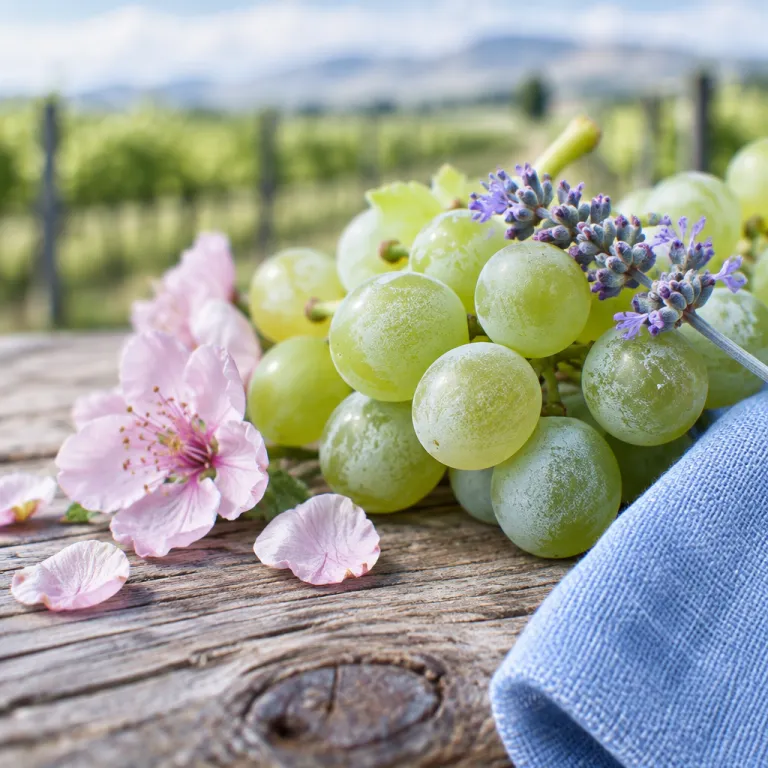
Hawke's Bay in spring: where the vineyard becomes your dining room
Spring in Hawke Bay arrives with a soft maritime light and vines just waking. The coastal bay in this part of Aotearoa New Zealand is warm enough to ripen full bodied reds and generous Chardonnays, yet cool nights keep the wines precise and structured. For couples planning hawkes bay wine lodge dining, this season opens a window onto a region where every estate winery seems to lean towards the sea and the hills at once.
The wider bay region stretches from the art deco streets of Napier to the river terraces inland, and each subzone has its own character in both wine and food. You taste that range in the glass, moving from supple Merlot blends to more muscular Syrah, then back to bright, stone fruit driven Chardonnay that many locals quietly call their best wine. Staying at or near an estate rather than in a busy city restaurant means the dining experience can track that same arc, from first asparagus to late evening Hawke Bay Cabernet in a single, unhurried line.
For visitors comparing New Zealand regions, Hawke Bay stands apart because the winery restaurant culture is so deeply woven into the landscape. Here, hawkes bay wine lodge dining is not an add on to a tasting flight but the main event, with lunch dinner services built around the rhythm of the vines and the fishing boats. When you book a room on an estate winery or at a nearby luxury lodge, you are choosing to let the wines, the local produce and the coastal weather set your schedule rather than a city timetable.
From cellar door to plate: why vineyard restaurants lead the conversation
Across this bay in New Zealand, the most compelling tables sit within a short walk of the vines themselves. The paddock to plate and cellar door model means the same winemaker who poured you a flight of current release wines at midday may be suggesting a rare library bottle with your evening food wine pairing. That proximity gives hawkes bay wine lodge dining an immediacy that town based dining simply cannot match, no matter how polished the restaurant service.
On the Gimblett Gravels and the terraces closer to Napier, estates have built winery restaurant spaces that frame the vines like a stage set. Floor to ceiling glass opens window like panels onto rows of Cabernet and Syrah, while terraces look back towards the bay and the low black hills beyond. When a property earns an award winning reputation, it is usually because the kitchen understands that the best wine on the list is only truly revealed when it meets the right plate of local produce in season.
For couples using a luxury booking platform, the key is to look for lodges that treat their dining room as an extension of the cellar rather than a separate activity. Some of the most memorable hawkes bay wine lodge dining happens when a chef builds a flexible menu around what arrived from the bay farmers and inland growers that morning. If you are mapping a wider New Zealand itinerary that includes high end city restaurants, it is worth reading long form lodge and restaurant reviews such as the guide to which Michelin level kitchens pair best with luxury stays, then using Hawke Bay as your benchmark for integrated estate winery hospitality.
Spring on the plate: lamb, asparagus and the first greens of Hawke Bay
Spring in this region is not an abstract idea but a set of flavours that repeat across the bay each year. On the plate, hawkes bay wine lodge dining in this season often begins with spears of asparagus, grilled or barely blanched, dressed with local olive oil and a squeeze of citrus to echo the acidity in young Chardonnay wines. Alongside, you might find first season peas, broad beans and bitter greens, all grown within a short drive of the estate winery where you are staying.
For the main course, spring lamb is the quiet star of many menus, raised on the rolling hills that sit between the coast and the inland ranges. Chefs in this part of New Zealand tend to keep the treatment simple, letting the quality of the produce speak against a backdrop of rosemary, garlic and sometimes a black olive tapenade that nods to Mediterranean influences. The pairing with Hawke Bay Syrah or Merlot blends shows why this region is often considered one of the best for food wine combinations, the wines offering both spice and freshness to cut through the richness of the lamb.
Desserts in spring lean towards citrus, early strawberries and sometimes honey from hives kept on the estate, keeping the dining experience light enough that you can still walk the rows afterwards. If you are curious about how local and indigenous ingredients are reshaping fine dining across New Zealand, the broader conversation around Māori kai at the luxury table offers useful context before you arrive. In Hawke Bay, that might translate into kawakawa infused sauces, horopito spiced lamb or native herbs folded quietly into the bread that arrives at your table with a view of the vines.
Staying among the vines: how to choose your Hawke Bay base
Choosing where to sleep in Hawke Bay shapes how you eat and drink, especially for couples planning a romantic trip. The most seamless hawkes bay wine lodge dining happens when your room sits either on an estate winery or within a short transfer of a serious winery restaurant, removing any need to drive after a long lunch dinner. That stay and dine pairing lets you move from afternoon tasting to sunset walk to candlelit table without watching the clock or counting glasses of wine.
When browsing a luxury booking site, focus less on generic star ratings and more on how each property talks about its food and wine culture. Look for mentions of relationships with bay farmers, on site kitchen gardens and menus that change with the seasons rather than fixed, year round offerings. Properties that highlight their connections to specific Hawke Bay producers, from coastal fisheries to inland sheep stations, tend to deliver a more grounded dining experience than those that simply list international classics.
Location within the region also matters. A lodge closer to Napier might pair hawkes bay wine lodge dining with easy access to art deco architecture, galleries and the waterfront promenade, while a more rural estate offers darker skies and quieter mornings among the vines. If your wider New Zealand journey includes alpine or southern adventures, you can balance this coastal warmth with colder climate experiences such as the glacier walks and southern lights itineraries outlined in the guide to winter only experiences below the 45th parallel, creating a trip that tracks the full range of the country’s landscapes.
Beyond the table: markets, architecture and coastal light in Hawke Bay
Part of the appeal of hawkes bay wine lodge dining lies in what surrounds the meal. Mornings often begin with a drive from the estate down to a bay farmers market, where stalls overflow with local produce, cheeses and breads that later reappear on restaurant menus in more polished form. Walking those aisles gives you a sense of the wider Hawke Bay food ecosystem, from small scale growers to the people who supply the region’s best winery restaurant kitchens.
Back in Napier, the art deco buildings and wide streets offer a different kind of palate cleanser between tastings. Many couples like to spend a few hours exploring the waterfront, then return inland for a late lunch dinner among the vines, letting the coastal breeze reset their senses before another round of wines. That rhythm between town and estate, between sea and gravel terrace, is what makes this corner of New Zealand feel so complete as a food and wine destination.
As the day closes, the light over the bay softens to gold, and the rows of vines take on a deeper green that seems to promise future harvests. Sitting on a terrace with a glass of Hawke Bay Chardonnay or Syrah, you can taste not only the current season but the accumulated experience of growers and winemakers who have learned exactly what this region can give. For travellers using a curated booking platform, the goal is simple, to match that level of care in the glass with an equally thoughtful room, so that every part of your stay feels anchored in the same landscape.
FAQ: planning a spring food and wine stay in Hawke Bay
When is the best time in spring to visit Hawke Bay for wine and food
Spring in Hawke Bay runs across several months, and the sweet spot for food and wine travel usually sits in the middle of the season. By then, asparagus, early greens and lamb are all firmly on menus, while the weather is warm enough for outdoor dining without the peak summer crowds. Vineyards are in active growth, so you see the landscape at its most vivid while still enjoying relatively calm cellar doors.
Is it better to stay on a vineyard estate or in Napier
For couples focused on hawkes bay wine lodge dining, staying on or near a vineyard estate usually offers the most seamless experience. You can walk to tastings, linger over dinner and avoid driving after enjoying wines with your meal. Napier works well if you want more art deco architecture, galleries and urban cafés, but you will need to plan transfers to and from winery restaurant bookings.
Do Hawke Bay winery restaurants cater for dietary requirements
Most serious winery restaurant kitchens in Hawke Bay are well versed in accommodating dietary needs, from vegetarian and vegan menus to gluten free or dairy free requests. The paddock to plate model, with strong relationships to local producers, gives chefs flexibility to adjust dishes without compromising quality. It is still wise to note your requirements when booking, especially for tasting menus or special events.
How many days should we plan for a Hawke Bay food and wine trip
A minimum of two nights allows you to experience one long lunch, one full hawkes bay wine lodge dining evening and a visit to a farmers market. Three to four nights give you time to explore different subregions, from coastal estates to inland terraces, and to balance winery visits with time in Napier. Longer stays suit travellers combining Hawke Bay with other New Zealand regions on a wider itinerary.
Can we visit multiple wineries without driving ourselves
Yes, several local operators offer private transfers and small group tours that link multiple estate winery visits in a single day. Many luxury lodges can arrange door to door transport, allowing you to focus on tasting wines rather than navigating rural roads. When booking accommodation, ask about their preferred partners for wine touring and whether they can coordinate routes that match your specific interests.