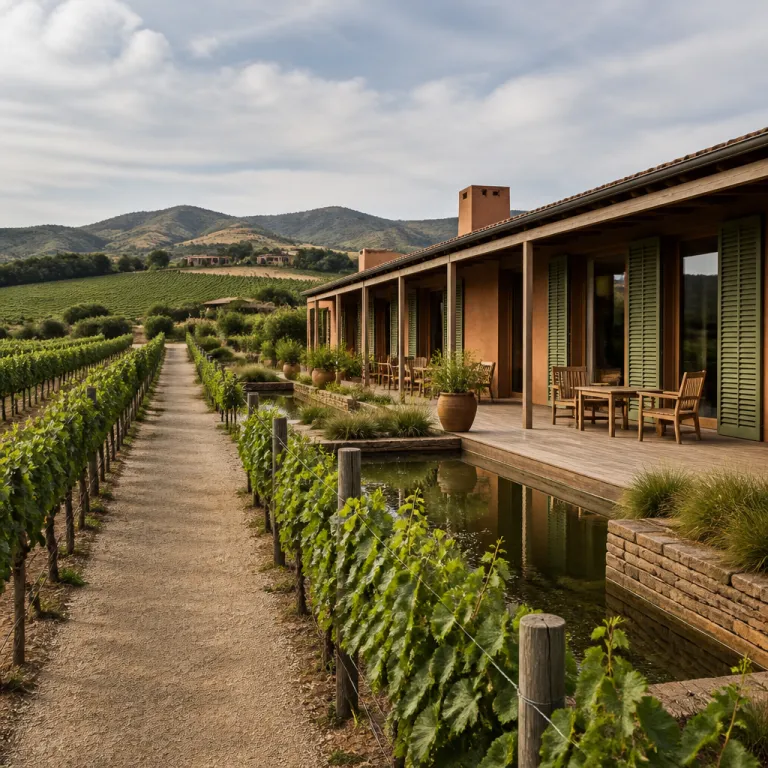
Why these New Zealand vineyard hotel wine region stays matter for business‑leisure travelers
New Zealand vineyard hotel wine region itineraries usually orbit Hawke’s Bay and Central Otago, yet Marlborough, Wairarapa and Waiheke Island quietly reward the traveler who values calm over crowds. These three wine regions fold serious gastronomy, polished hotels and vineyard based winery accommodation into landscapes that feel purpose built for a long weekend after meetings in Auckland or Wellington. For a business leisure executive, they offer the rare mix of efficient access, refined rooms and suites and wine tasting programs that feel curated rather than packaged.
Marlborough anchors the New Zealand wine story with scale, producing the majority of the country’s Sauvignon Blanc exports while still delivering intimate cellar door conversations and tailored tasting flights. Wairarapa, centred on Martinborough, trades in small estates and focused Pinot Noir, where you can walk or cycle between wineries and be back in your hotel room before your next video call. Waiheke Island, sitting in the Hauraki Gulf and reached by a short ferry from downtown Auckland, layers more than thirty vineyards across a compact island, so you can move from beach to wine hotels to award winning dining without ever opening a map.
On mynewzealandstay.com we treat these regions as essential counterpoints to the better known wine regions around Queenstown and Gibbston Valley, especially for travelers who have already ticked off Central Otago. The promise is simple yet demanding; every featured hotel or estate must pair strong New Zealand wine credentials with service that stands up to global business class expectations. If you are weighing where to check availability for your next rural retreat, this trio deserves a place beside your usual shortlist of Central Otago lodges and Hawke’s Bay coastal resorts.
Marlborough vineyard hotels: sauvignon blanc country with unexpected intimacy
Marlborough is the engine room of New Zealand wine, responsible for a large share of Sauvignon Blanc that leaves the country, yet its vineyard hotels feel surprisingly personal. Around Blenheim, properties such as The Marlborough Boutique Hotel & Vineyard and The Vintners Retreat sit among rows of vines, so your first photo of the day is often mist lifting off the estate. These New Zealand vineyard side stays combine restored historic buildings, modern rooms and suites and on site wine tasting that showcases both flagship wines and small batch experiments.
The Marlborough Boutique Hotel & Vineyard operates as a luxury hotel in a former convent, with manicured gardens, a private cellar door style tasting space and a restaurant that leans heavily on local produce from both land and sea. Vintners Retreat, by contrast, feels more like staying in a collection of contemporary villas, where the line between private residence and resort blurs as you move from your lounge to a late afternoon tasting of current release wines. In both hotels, you can walk from your room to the vineyard in under a minute, which changes how you experience each glass of wine at dinner.
For travelers used to the drama of Queenstown or the slopes above Gibbston Valley, Marlborough’s appeal lies in its horizontal views and long, slow evenings. You trade alpine peaks for wide skies, river plains and the quiet focus of cellar doors that are busy but rarely frantic, especially outside peak summer. If you are planning a broader circuit of premium rural retreats, it pairs naturally with the country lodges highlighted in this guide to elevated rural escapes, giving you both vineyard based calm and high country drama in a single itinerary.
Wairarapa and Martinborough: pinot noir weekends within reach of Wellington
Wairarapa sits just over the hills from Wellington, yet it feels like a different island once you step into the orderly vines around Martinborough. This compact wine region is built for slow weekends, where you can cycle between more than thirty wineries, pause for a tasting, then roll back to your hotel before dusk. The focus here is Pinot Noir, and the best wine experiences come from estates where the winemaker still pours at the cellar door and remembers your name the next morning.
Margrain Vineyard Villas exemplify the region’s relaxed but polished winery accommodation, with villas set along the vineyard edge so you wake to rows of Pinot Noir outside your room. From here, you can walk to several local wineries for structured wine tasting, then return for a late afternoon glass on your deck as the light softens over the vines. The atmosphere is more intimate than in larger wine regions; you are as likely to share a table with a winemaker as with another guest from Auckland or Queenstown extending a business trip.
Dining in Wairarapa reflects the region’s scale and ambition, with restaurants leaning into seasonal produce, lamb and game that pair naturally with the area’s structured wines. Many hotels and smaller boutique style guesthouses offer rooms and suites that feel residential rather than resort like, which suits travelers who prefer discretion over spectacle. For those who enjoy remote country stays, Wairarapa also links well with the off grid lodges profiled in this feature on New Zealand’s off the grid luxury retreats, allowing you to move from deep rural silence to vineyard conversation in a single weekend.
Waiheke Island: vineyard hotels with city access and coastal light
Waiheke Island is the most urban connected of these wine regions, sitting a short ferry ride from downtown Auckland yet feeling worlds away once you step onto the wharf. With more than thirty vineyards spread across just over ninety square kilometres, it offers one of the densest concentrations of wine hotels and winery accommodation in New Zealand. For a business traveler finishing meetings in the city, it is the easiest way to fold a New Zealand vineyard hotel wine region experience into a tight schedule.
Mudbrick Vineyard & Restaurant is the island’s headline act, combining a serious cellar door, refined restaurant and a cluster of villas and rooms and suites that look back to the city skyline. The wine list leans into Waiheke’s strengths with structured reds and characterful whites, while the restaurant’s terrace delivers some of the island’s most photogenic views at sunset. Nearby, Kennedy Point Vineyard offers an organic estate with a more low key guesthouse feel, and La Bodega Waiheke adds another layer of luxury with its private, design forward rooms set among olives and vines.
What sets Waiheke apart from other wine regions is the way coastal light and sea air shape both the wines and the hotels that serve them. Lunch might start with local oysters and Sauvignon Blanc, move through a flight of island grown reds, then end with coffee overlooking the gulf islands and distant city towers. If you are planning a longer itinerary that also includes Fiordland or the southern lakes, consider pairing Waiheke with the remote lodges featured in this piece on Fiordland’s after dark lodges, creating a contrast between sea level vines and deep water fjords.
How wine styles shape dining, rooms and service across these regions
The character of each wine region in New Zealand quietly dictates how its hotels feel, from the design of a room to the tone of service at dinner. In Marlborough, the dominance of Sauvignon Blanc and crisp aromatic wines encourages bright, sunlit dining rooms, seafood heavy menus and outdoor terraces that make the most of long evenings. Wine hotels here often feature light filled rooms and suites, pale timbers and landscaping that frames wide views rather than dramatic peaks.
Wairarapa’s Pinot Noir focus brings a different mood, with darker woods, fireplaces and dining rooms that feel almost European in winter. Menus lean into slow cooked meats, wild mushrooms and local cheeses, designed to sit comfortably beside structured reds and textural whites. Many New Zealand vineyard side hotels in this region keep guest numbers low, so the same team member might pour your wine at the cellar door in the afternoon and serve you at the restaurant that evening.
On Waiheke Island, the interplay of maritime climate and varied wines produces a more Mediterranean rhythm, with long lunches, late dinners and flexible service patterns. Here, winery accommodation often blurs the line between villa and hotel, with private decks, plunge pools and outdoor kitchens that encourage guests to linger over a bottle rather than rush to a reservation. Across all three regions, the best properties understand that a New Zealand vineyard hotel wine region stay is not just about the wine; it is about how every touchpoint, from checking availability to late night room service, reflects the surrounding vines.
Seasonality, winter advantages and practical booking strategies
Seasonality matters in every wine region, and New Zealand is no exception, especially when you are planning high end hotel stays. Summer brings long days, busy cellar doors and a social energy that suits travelers who enjoy full restaurants and active estates. Winter, by contrast, offers quieter tasting rooms, easier restaurant reservations and more time with winemakers, which can transform a standard wine tasting into a deeper conversation about New Zealand wine.
In Marlborough, winter light over the vineyard rows is crisp and clear, and hotels often respond with fireplaces, hearty menus and sharp seasonal rates. Wairarapa comes into its own during the cooler months, when Pinot Noir feels most at home beside slow cooked dishes and the region’s compact scale makes short days feel generous. Canterbury’s Waipara Valley, though not the focus here, adds another layer with truffle season, which many local restaurants in wine regions across the South Island quietly celebrate.
For Waiheke Island, winter means fewer day trippers from Auckland and more space at headline estates such as Mudbrick Vineyard & Restaurant and Kennedy Point Vineyard. This is when rooms and suites at La Bodega Waiheke or other island hotels can feel like private retreats, with staff able to tailor wine flights and dining times around your schedule. When planning, follow three simple rules: book in advance, check seasonal availability and explore surrounding attractions so your New Zealand vineyard hotel wine region stay feels both efficient and expansive.
What to expect from amenities, service and value at vineyard hotels
Luxury travelers considering a New Zealand vineyard hotel wine region itinerary often want clarity on what these hotels actually deliver beyond a view of vines. At the top properties in Marlborough, Wairarapa and Waiheke Island, you can expect spacious rooms and suites, strong Wi‑Fi, thoughtful workspaces and service that understands the needs of business leisure guests. Many estates also offer guided vineyard walks, private tastings and transfers to nearby wineries, so you can leave the logistics to the hotel team.
A recurring theme across these wine regions is the integration of local culture into both design and dining, from artworks by regional artists to menus built around nearby farms and fisheries. Sustainability is increasingly visible, with organic vineyards such as Kennedy Point Vineyard on Waiheke Island and smaller estates in Wairarapa leading the way. As one regional overview from Tourism New Zealand notes in summary, amenities at vineyard stays typically include luxury rooms, wine tastings, fine dining and vineyard tours.
From a value perspective, nightly rates for serious winery accommodation in these regions often start around three hundred New Zealand dollars and rise for the most exclusive villas. That pricing reflects not only the room but also access to winemakers, priority restaurant reservations and the ability to move between multiple wineries without long drives. For travelers used to the higher costs of Central Otago or international wine hubs, these hotels New Zealand wide can feel like a considered investment rather than an indulgence, especially when you factor in the quality of wines poured at your table each night.
Key figures for New Zealand vineyard hotel wine region stays
- Marlborough accounts for a substantial majority of New Zealand’s wine exports, with Sauvignon Blanc dominating volumes and shaping the region’s hotel dining programs toward fresh, aromatic pairings, according to recent New Zealand Winegrowers reporting.
- Wairarapa’s Martinborough area hosts dozens of wineries within easy cycling distance of the village centre, making it one of the most walkable wine regions for guests staying in nearby hotels.
- Waiheke Island supports more than thirty vineyards across roughly ninety square kilometres, giving it one of the highest densities of cellar doors and winery accommodation in the country.
- Across Marlborough, Wairarapa and Waiheke, multiple notable vineyard based accommodations operate with an average nightly rate around three hundred New Zealand dollars for premium rooms.
- Travel time from downtown Auckland to Waiheke Island is typically around half an hour by passenger ferry, which allows business travelers to reach wine hotels on the island within about an hour of leaving the central business district, based on current Fullers360 schedules.
FAQ about vineyard hotels in Marlborough, Wairarapa and Waiheke
What amenities do vineyard hotels in these regions usually offer?
Most vineyard hotels in Marlborough, Wairarapa and Waiheke Island offer spacious rooms, on site wine tasting, fine dining and access to vineyard tours. Many also provide concierge services, transfers to nearby wineries and curated experiences such as blending sessions or private cellar door appointments. At the higher end, expect pools, spa facilities and tailored in room amenities suited to business leisure travelers.
Are vineyard hotels in these wine regions suitable for families?
Several properties welcome families, especially those with self contained villas or multi bedroom suites set within the vineyard. Policies vary by hotel, so it is important to check availability and age guidelines before booking, particularly around pool access and restaurant seating. Some estates offer child friendly activities such as garden walks or casual outdoor dining, while others position themselves firmly as adults focused retreats.
How should I book a stay at a New Zealand vineyard hotel?
The most reliable approach is to book directly through the hotel’s official website, where you will usually find the most accurate room descriptions and seasonal offers. Many vineyard hotels also appear on major travel platforms, which can be useful for comparing rates and reading recent guest feedback. For complex itineraries that combine multiple wine regions, a specialist New Zealand travel advisor or a curated site such as mynewzealandstay.com can help align transfers, tastings and dining reservations.
When is the best time of year to visit these wine regions?
Summer brings warm weather, long evenings and a lively atmosphere at cellar doors, which suits travelers who enjoy busy restaurants and outdoor events. Autumn and winter offer quieter tasting rooms, more time with winemakers and, in some regions, seasonal specialties such as truffles in nearby Waipara Valley. For business leisure travelers, shoulder seasons often provide the best balance of availability, pricing and access to top restaurants.
Can I visit multiple wine regions in one trip without rushing?
It is entirely feasible to combine Marlborough, Wairarapa and Waiheke Island in a single itinerary, especially if you use Auckland and Wellington as gateways. A common pattern is to start with Waiheke Island after meetings in Auckland, then fly south to Blenheim for Marlborough before driving or flying to Wellington and crossing into Wairarapa. Allow at least two nights in each wine region so you can enjoy both the hotels and the surrounding wineries without feeling pressed for time.