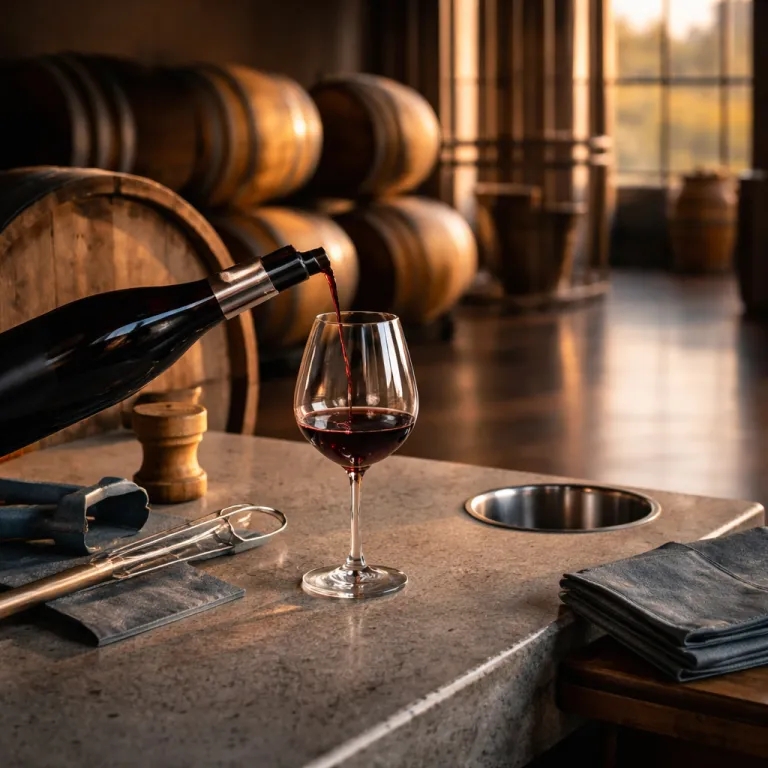
Hawke’s Bay pinot noir cellar doors beyond the export list
Hawke’s Bay is usually introduced as a Cabernet and Syrah stronghold, yet the Hawke’s Bay pinot noir cellar door story is far more nuanced. The region’s oldest vineyards and most established estate winery addresses now quietly pour Pinot Noir that rarely appears on international wine shelves, reshaping how luxury travelers should plan their New Zealand stays. When you stand at a cellar door in this coastal Hawke’s Bay landscape, with the Pacific light on the vines, you realise the wines kept back for locals are often the bottles worth flying for.
This is not Central Otago’s postcard Pinot country, because Hawke’s Bay sits warmer, drier and flatter, with gravels and river terraces that historically favoured Bordeaux-style reds. The famous Gimblett Gravels subregion, carved from an old river bed, built its reputation on structured blends, yet several wineries now reserve specific vineyard parcels and a cooler valley or hill site for Pinot Noir that rarely leaves the estate. For couples booking premium accommodation, the real luxury is tasting these exceptional wines at intimate cellar doors, then returning to a nearby hill-country lodge where the same great wine appears again at dinner.
Across roughly 200 vineyard properties and about 70 wineries, only around 30 cellar doors open regularly, according to Hawke’s Bay Winegrowers’ 2023 regional overview, which keeps the local pinot tasting experience pleasantly uncrowded. Trinity Hill, Te Mata Estate and Junction Wines all offer Pinot Noir at their cellar doors, and each handles the grape differently within this diverse region. When you plan your road-trip route from Hastings through the wider Hawke’s Bay area, think less about ticking off famous labels and more about which estate teams are serious about Pinot rather than treating it as a vanity project.
Climate, gravels and the quiet Pinot pivot
To understand why a Hawke’s Bay Pinot Noir visit feels so specific, you need to start with the climate and soils. This is one of Aotearoa New Zealand’s warmest and driest wine regions, with long settled summers that ripen Cabernet, Merlot and Syrah on the stony Gimblett Gravels while cooler pockets closer to the coast or higher up a valley nurture Pinot. The contrast means a single winery address can pour both a dense red blend and a finely etched Pinot Noir from different blocks of the same estate.
Gimblett Gravels itself is not classic Pinot territory, because those heat-retaining stones and free-draining gravels tend to push the grape toward jammy flavours if mishandled. Smart winemakers instead look to slightly elevated hill slopes, breezier roadside vineyards or south-facing valley sites where sea breezes moderate temperatures and the fruit keeps its tension. One cellar-door host at a small hill winery describes their Pinot as “red cherry and wild thyme on the nose, with a line of savoury spice that only shows up in cooler years” – a reminder that the region’s range of mesoclimates shapes style more than any marketing line.
Some estates have made the Pinot pivot work with conviction, while others bottle it mainly for the restaurant list or to satisfy visitors who expect every New Zealand winery to offer the variety. Craggy Range, better known for its Gimblett Gravels reds, treats Pinot as a serious project from cooler blocks near its lodge, while Trinity Hill Winery pours a structured, food-friendly style at its cellar door that reflects both regional warmth and careful picking dates. A few kilometres further along, Junction Wines and Te Mata Estate show how older vine material and thoughtful clonal selection can turn a secondary grape into a quietly great wine that rewards a dedicated tasting visit.
Where Hawke’s Bay Pinot shines – and where Central Otago still leads
For couples planning a luxury trip, the honest way to frame a Hawke’s Bay Pinot Noir itinerary is as a counterpoint to Central Otago, not a replacement. Central Otago remains New Zealand’s Pinot Noir heartland, with dramatic inland valley landscapes and a continental climate that naturally favours the grape over almost everything else. Hawke’s Bay, by contrast, is a coastal region where Pinot must compete with Syrah, Chardonnay, blended reds and even vibrant Sauvignon Blanc for vineyard space and cellar attention.
Where Hawke’s Bay Pinot can beat Central Otago is at the table, especially with the region’s food-bowl reputation and its deep restaurant culture. A mid-weight Pinot from a cooler hill site near Havelock North or a sheltered inland valley block often carries a savoury edge and gentle tannin that works beautifully with lamb shoulder, wood-fired vegetables or local duck. When you sit down at Black Barn Bistro, Bistronomy or Mister D after a day of wine tasting, the sommelier may quietly steer you toward a small-production Pinot from a nearby estate that never makes it onto export lists but sings with the food in front of you.
Central Otago still leads when you want purity, altitude and that crystalline red-fruit line, especially for collectors building verticals of single-vineyard wines. Hawke’s Bay excels when you want Pinot as part of a broader estate story, where a winery might pour a structured Gimblett Gravels Syrah, a refined Chardonnay and then a nuanced Pinot from a nearby hillside block. The joy of visiting multiple cellar doors in one trip is tasting how each estate negotiates this balance, from the powerful reds of Craggy Range and Church Road to the more restrained, food-focused Pinots at places like Elephant Hill, Clearview Estate or Black Barn.
Cellar door etiquette, unlisted bottles and where to stay
Arriving at a Hawke’s Bay Pinot Noir cellar door is as much about timing and manners as it is about what is in your glass. Many tasting rooms in the region welcome walk-ins, yet serious visitors who want access to limited Pinot Noir or back-vintage wines should always email ahead and request a focused appointment. Hawke’s Bay Winegrowers and local tourism bodies consistently advise visitors to check winery hours before visiting, consider booking in advance, and either designate a driver or use tour services.
Once you are at the cellar, treat the tasting as a conversation rather than a transaction, because this is often when the unlisted bottle appears. Ask which vineyard or valley the Pinot comes from, whether it is a hill block or river terrace, and if there is a single-barrel or estate-only cuvée that does not go into distribution. At Trinity Hill, Te Mata Estate or Junction Wines, staff are used to engaged guests and will often open something special when they sense you are genuinely interested in the region rather than chasing scores or cheap wines.
For accommodation, the most rewarding stays keep you close to the vines and the food that shapes these exceptional wines. Black Barn offers elegant retreats among its vineyard rows, Craggy Range has cottages tucked beneath the Te Mata Peak range, and several smaller roadside wineries partner with luxury lodges or premium guesthouses nearby. If you are planning a broader New Zealand itinerary that links Hawke’s Bay with Central Otago and Marlborough, it is worth consulting a specialist guide to luxury vineyard hotels in New Zealand for refined wine-country escapes, then building your cellar-door schedule around those stays.
Designing a Hawke’s Bay Pinot itinerary for luxury travelers
To build a meaningful Hawke’s Bay Pinot Noir circuit, start by mapping the region’s subzones rather than chasing every famous label. One day could focus on the Gimblett Gravels and nearby wineries, where you taste structured reds alongside experimental Pinot Noir from stonier sites, then finish with dinner at a Hastings restaurant that leans into local produce. Another day might trace the coastal stretch, visiting Elephant Hill for its ocean-influenced wines, Clearview Estate for relaxed beachfront charm and Black Barn for its amphitheatre-like vineyard setting and refined food.
Couples with a deeper interest in wine might dedicate a third day to the hills and valleys around Havelock North, where Te Mata Estate, Craggy Range and smaller producers work with cooler slopes that suit Pinot Noir. Here, the interplay between range and valley, between sheltered cellar doors and breezier hill blocks, creates a spectrum of styles that you can only understand by tasting them side by side. Booking a driver or joining a small, high-end tour allows you to move between wineries without watching the clock, and it turns each cellar-door stop into a relaxed, immersive experience.
Throughout the trip, pay attention to how each estate frames Pinot within its broader portfolio, because that context matters as much as the grape itself. Some wineries in Hawke’s Bay pour Pinot as a light, early-drinking counterpoint to their flagship reds, while others position it as a serious, age-worthy wine that reflects specific vineyard rows and careful élevage. When you leave with a mixed case that includes Pinot Noir, Syrah, Chardonnay and perhaps a textured Sauvignon Blanc, you carry home not just bottles but a clear sense of why this region rewards those who go beyond the export list.
FAQ
Which wineries in Hawke’s Bay offer Pinot Noir tastings ?
Trinity Hill, Te Mata Estate and Junction Wines all offer Pinot Noir tastings at their cellar doors, making them essential stops on any Hawke’s Bay pinot-focused itinerary. These wineries sit within easy driving distance of Hastings and Havelock North, so you can comfortably visit several in one day. Each cellar door presents a different interpretation of the region’s climate, soils and food culture through its Pinot Noir.
Do I need to book in advance for tastings ?
While some Hawke’s Bay cellar doors accept walk-in guests, advance bookings are strongly recommended for focused Pinot Noir tastings, especially during weekends and holiday periods. Trinity Hill typically opens daily from late morning to late afternoon, Te Mata Estate maintains extended hours across the week and Junction Wines operates more seasonally, so checking times on their latest schedules before you travel is essential. Booking ahead also signals your interest in a more in-depth wine tasting, which can lead to access to limited-release or estate-only wines.
Are there food options available at the wineries ?
Several Hawke’s Bay wineries integrate food into the cellar-door experience, ranging from simple platters to full restaurant menus. Black Barn Bistro, Elephant Hill and Clearview Estate are known for pairing regional produce with their wines, while other tasting rooms may offer cheese boards or small bites that complement Pinot Noir. It is always wise to confirm current food offerings when you reserve, particularly if you plan to make a long lunch the centrepiece of your day.
How much time should I allow for a Hawke’s Bay Pinot Noir day ?
A relaxed day focused on Hawke’s Bay Pinot Noir typically includes three to four wineries, with at least 60 to 90 minutes at each stop. This pace allows time for unhurried tastings, vineyard walks and conversations with staff about vineyard sites, Gimblett Gravels versus hill blocks and food pairing ideas. Factoring in driving distances between coastal, valley and gravels subregions, most couples find that six to seven hours creates a comfortable, luxurious rhythm.
Is it better to self drive or join a guided wine tour ?
Self-driving offers maximum flexibility for experienced visitors who know which cellar doors they want to prioritise, especially if they are staying at vineyard-based accommodation like Black Barn or Craggy Range. Guided tours, however, remove the need for a designated driver and often include behind-the-scenes access or curated tastings at key estate addresses. For many luxury travelers, a hybrid approach works best, combining one guided day focused on Gimblett Gravels and a second self-driven day exploring coastal and hill wineries at their own pace.