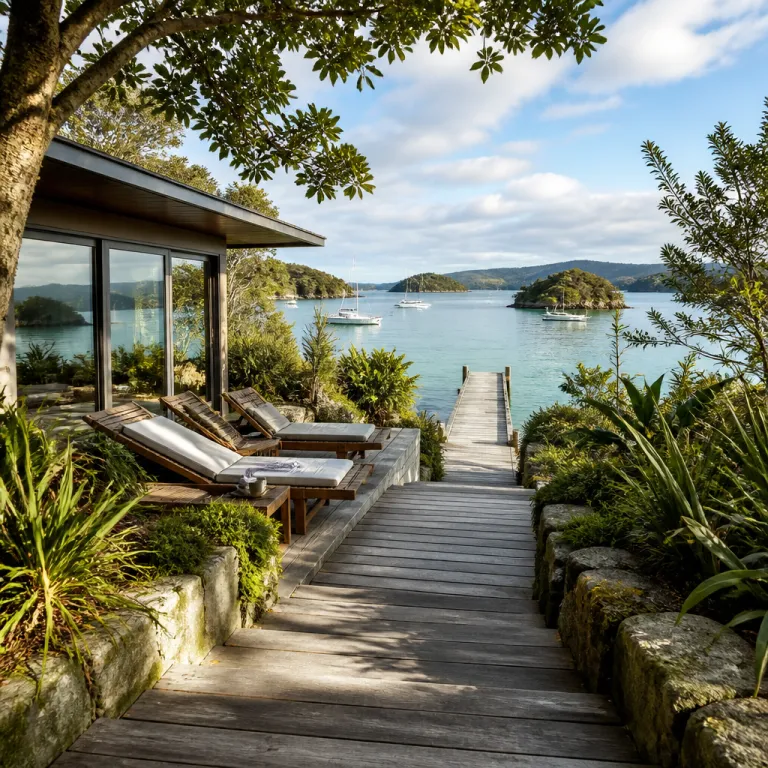
Why Bay of Islands in July suits the Winterless North myth
July in the Bay of Islands feels quietly subversive for New Zealand travel. While many visitors chase alpine drama on the South Island, this northern bay keeps winter soft, with average daytime temperatures around 14 °C and sea temperatures near 15–16 °C, according to long‑term NIWA and MetService climate records for the Far North. NIWA’s Kerikeri station and MetService’s Northland marine outlook both show that July sits closer to a cool autumn than a harsh mid‑winter, which helps explain why luxury lodges and boutique hotels here can keep outdoor decks, spa pools and sheltered terraces in regular use.
The wider Northland coastline around the Bay of Islands rarely drops below 10 °C in mid‑winter, so you can plan coastal walks and island cruises without packing heavy alpine gear. MetService’s regional forecasts typically show daytime highs in the low to mid‑teens and overnight lows that hover well above freezing, and local tourism boards lean into this gentle seasonality when they publish winter travel guides and event calendars. July brings fewer crowds, calmer seas and more attentive service for guests in the best hotels and resort‑style retreats. When you compare this with the sharper chill of many South Island destinations such as Queenstown or Wānaka, the Bay of Islands becomes a compelling second stop after a snow‑focused stay further south.
For luxury travelers, the idea of a Bay of Islands winter lodge stay is less about huddling by the fire and more about green hills rolling down to sheltered coves. The Bay of Islands region stays lush, vineyards remain open for tastings and the atmosphere inside the top luxury hotels feels unhurried and personal. If you time your stay for early or late July, you often find superb value at a luxury hotel or private lodge, especially when you check availability midweek rather than over school‑holiday peaks, when demand from domestic travelers briefly lifts. As one Kerikeri‑based operator put it in a recent winter update, “July is when we finally have the time to say yes to every little extra our guests dream up.”
Signature luxury lodges: from Eagles Nest to The Landing
The Bay of Islands has quietly assembled some of the best places to stay in the upper North Island, and July is when these properties show their most relaxed side. On a 75‑acre headland above the bay near Russell, Eagles Nest offers five villas with heated infinity pools, private chefs and cinematic sea views that feel almost private in winter. With fewer guests on property, staff have the time to tailor each stay, from late breakfast service to unhurried wine tastings that would be harder to arrange in peak season. A typical July pattern might see a leisurely morning swim in a warmed pool, a chef‑prepared brunch on the terrace and a mid‑afternoon massage timed to catch the last of the soft light.
Across the water, The Landing occupies more than 1,000 acres of rolling farmland, native bush and six sheltered private beaches, and in July the light over the Bay of Islands is soft enough to make even a short walk feel cinematic. Four individually designed residences anchor the estate, each functioning as a self‑contained luxury lodge with its own character, art collection and generous indoor‑outdoor spaces. The on‑site vineyard pours award‑winning wines, and chef‑led menus lean into seasonal produce from the wider Northland region, with long lunches that stretch into slow afternoons by the fire rather than rushed seatings. Guests who visit in July often comment in reviews that they feel as if they have a private country estate with full resort‑level service.
Travelers who care about how their hotel choices impact the landscape will notice that many Bay of Islands lodges share a philosophy with the regenerative stays explored in this guide to eco lodges proving luxury can give back. Properties here invest in pest control, native planting and low‑impact operations, which is easier to appreciate when winter crowds thin and you can talk directly with the on‑site équipe about current projects. When you read reviews from experienced guests, the same themes repeat for these luxury hotels bay‑wide, from the superb privacy to the sense that staff have both time and space to anticipate needs. One recent guest at a Russell hilltop retreat summed it up simply: “It felt like the whole bay was running on our schedule.”
Where to base yourself: Paihia, Russell and Kerikeri
Choosing the right bay base in July shapes how you experience the region’s quieter rhythm. Paihia works well if you want easy access to ferries, day cruises and a broad mix of hotels, from simple stays with free Wi‑Fi to full‑service luxury hotel options with wide sea views. The town feels calmer in winter, yet cafés stay open, and you can walk the waterfront without the usual summer crowds that dominate many hotels bayside. The Paihia–Russell passenger ferry, for example, typically runs every 20–30 minutes during the day even in the off‑season, according to current timetables published by the main operator, so you can move between the two towns without needing a car.
Across the water, Russell offers a more intimate village feel, with heritage buildings, sheltered streets and a handful of luxury lodge‑style properties tucked into the hills above the bay. Staying here in winter means you wake to still mornings, watch the first light slide across the island‑dotted harbour and then wander down to the wharf for coffee before most visitors arrive. For guests who value atmosphere over nightlife, Russell’s hotels and private villas often rank among the best hotels in the region, especially when you check availability for longer stays that unlock better nightly rates and occasional shoulder‑season inclusions such as complimentary breakfasts or late check‑outs.
Kerikeri sits slightly inland yet remains central for exploring the wider Northland coastline, and its small airport makes arrivals from Auckland or connections from the South Island straightforward. Many travelers pair a few nights in Kerikeri with a coastal stay, using the town as a base for vineyard visits at estates such as Marsden Estate or Ake Ake, waterfall walks to Rainbow Falls and day trips to the Bay of Islands by car. If you enjoy resort‑style comforts, you might also compare these northern stays with the refined urban properties featured in this review of an equestrian hotel in Christchurch, then decide how much city polish you want alongside coastal calm.
Winter experiences: calm seas, coastal walks and quiet vineyards
July’s softer weather reshapes what a Bay of Islands luxury lodge winter itinerary looks like day to day. Calmer seas make boat trips across the bay more comfortable, whether you are cruising past the Hole in the Rock, landing on a quiet island for a picnic or chasing game fish in season. NIWA’s marine climatology for the Northland coast notes average July sea temperatures of around 15–16 °C and roughly 9.5 hours between sunrise and sunset, which means you can comfortably plan a late‑morning departure and still be back in time for sunset drinks. With fewer boats on the water, you often feel as if the bay and its scattered islands belong to a small, in‑the‑know club of winter travelers.
On land, the mild climate keeps coastal walks accessible, from the Paihia to Opua track to the headland paths near Russell that reveal wide sea views back across the hotel bay skyline. Trails can be damp after rain, so pack light jackets and decent footwear, but you will rarely face the icy winds common in parts of the South Island at the same time of year. Vineyards around Kerikeri and the wider Northland hinterland stay open, and winter tastings often mean more time with the winemaker and fewer tour groups, which suits solo travelers who prefer unhurried conversations. A simple two‑day July plan might pair a morning coastal walk with a relaxed lunch at a cellar door, followed by a slow evening back at your lodge with a private tasting arranged by the concierge.
Back at your lodge, winter is when chefs and concierges have the bandwidth to personalise each stay, from arranging in‑room spa treatments to planning private guided walks that start directly from the property. Many luxury hotels include free Wi‑Fi and thoughtful workspaces, so remote workers can extend their stay without sacrificing productivity. If you are planning a longer New Zealand journey that includes both islands, consider pairing a few quiet Bay of Islands nights with a more alpine‑focused leg, then use this curated guide to romantic New Zealand stays and top destinations as inspiration for structuring your route.
How Bay of Islands compares with other New Zealand luxury stays
Thinking about Bay of Islands luxury lodge options in winter helps clarify where they sit on the national map of high‑end stays. Iconic properties such as Huka Lodge near Taupō or the remote retreats in Ahuriri Valley on the South Island lean into dramatic river gorges, snow‑dusted peaks and roaring fireplaces. By contrast, a Bay of Islands lodge in July offers green hills, soft light and the sense that the ocean remains very much alive, even in the depths of winter. The contrast is less about star ratings and more about whether you want your winter memories framed by snow or by water.
For many guests, the smartest move is not to choose between North Island and South Island, but to combine them in a single itinerary that balances alpine intensity with coastal ease. You might start with a few nights at Huka Lodge or a South Island valley retreat, then fly north to Kerikeri and settle into a private villa at Eagles Nest or a residence at The Landing. This two‑part structure lets you experience both the best places for snow‑framed landscapes and the best hotels for mild, sea‑focused winter stays without rushing either. A common pattern is to spend three or four nights in the south for skiing or scenic flights, followed by two or three nights in the Bay of Islands to decompress.
When you read detailed reviews from seasoned travelers, a pattern emerges across these hotel resorts and luxury properties nationwide. Properties that perform best in winter tend to offer flexible dining, thoughtful indoor spaces, reliable free Wi‑Fi and staff who treat each stay as a bespoke project rather than a transaction. As one local explanation puts it, “Why is it called the Winterless North? Due to its mild winter climate,” and that simple fact underpins why Bay of Islands hotels continue to attract Australia‑based and international travelers who want an exceptional yet understated July escape. NIWA’s long‑term records for Northland back this up with data, but it is the lived experience of calm harbours, green headlands and unhurried service that keeps guests returning.
FAQ
Is July a good time to visit the Bay of Islands for a luxury stay?
July works very well for a luxury stay in the Bay of Islands because the climate stays mild, with average daytime temperatures around 14 °C and relatively warm seas, based on MetService and NIWA climate summaries for Northland. Luxury hotels and lodges are quieter, so staff can personalise your stay and often offer more flexible arrangements. Rates can be softer than peak summer, especially if you check availability for midweek dates or longer stays, and many properties publish winter‑specific offers on their own booking pages.
What should I pack for a Bay of Islands trip in winter?
Pack light jackets, layers and waterproof footwear rather than heavy winter coats, because the Winterless North rarely sees very low temperatures. Expect occasional rain, especially in mid‑July, so a compact umbrella or shell jacket is useful for coastal walks and island excursions. Most luxury hotels provide umbrellas and some wet‑weather gear, but bringing your own comfortable layers will make boat trips and vineyard visits more enjoyable, particularly if you plan to spend time on open decks or exposed headlands.
How does the Bay of Islands climate compare with the South Island in winter?
The Bay of Islands sits in New Zealand’s far north, so winter temperatures stay significantly milder than many South Island regions. While alpine areas in the south focus on snow sports and crisp, cold days, the Bay of Islands maintains green landscapes, workable sea temperatures and comfortable conditions for cruising or walking. Many travelers now pair a South Island snow stay with a few softer days in the Winterless North to experience both sides of the season, often flying directly between Queenstown or Christchurch and Kerikeri via Auckland.
Are most activities and restaurants open in July in the Bay of Islands?
Core tourism services such as boat cruises, key restaurants and major attractions generally operate year‑round in the Bay of Islands, though some may run reduced schedules in July and shoulder periods. You will find enough open venues in Paihia, Russell and Kerikeri to structure varied days, from coastal walks to wine tastings and harbour dinners. It is still wise to book key experiences through your hotel concierge, who can confirm current hours, check ferry timetables and arrange transfers or private charters if regular services are running less frequently.
Why is the region called the Winterless North?
The Winterless North nickname reflects the region’s consistently mild winter climate compared with much of the country. Average July temperatures in the Bay of Islands sit around the mid‑teens Celsius, and frosts are rare near the coast, according to NIWA’s long‑term records. This gentle climate allows vineyards, walking tracks and marine activities to operate comfortably through winter, which is why luxury travelers increasingly view July as a prime time to stay. When you combine that weather profile with attentive service and quieter luxury lodges, the name feels less like marketing and more like a fair description of how winter actually plays out here.