Auckland and Northland: urban light shows and coastal stars
Matariki week has become the anchor of high-end Matariki travel in New Zealand, turning the mid-winter public holiday into a peak period for culturally curious guests. In Auckland, the annual Matariki ki te Manawa programme typically stretches across the winter months with dozens of events; in 2024, the official Auckland Council listings recorded more than one hundred individual performances, installations and workshops, and a similar scale is expected for 2026 once the programme is confirmed. The most practical strategy is to base your stay near the waterfront and plan each day around evening performances and light installations. For many solo travelers, this is an ideal time to visit New Zealand because the city’s usual pace softens while the focus shifts to Māori stories, seasonal food and the rising stars of the Matariki cluster in the southern hemisphere sky.
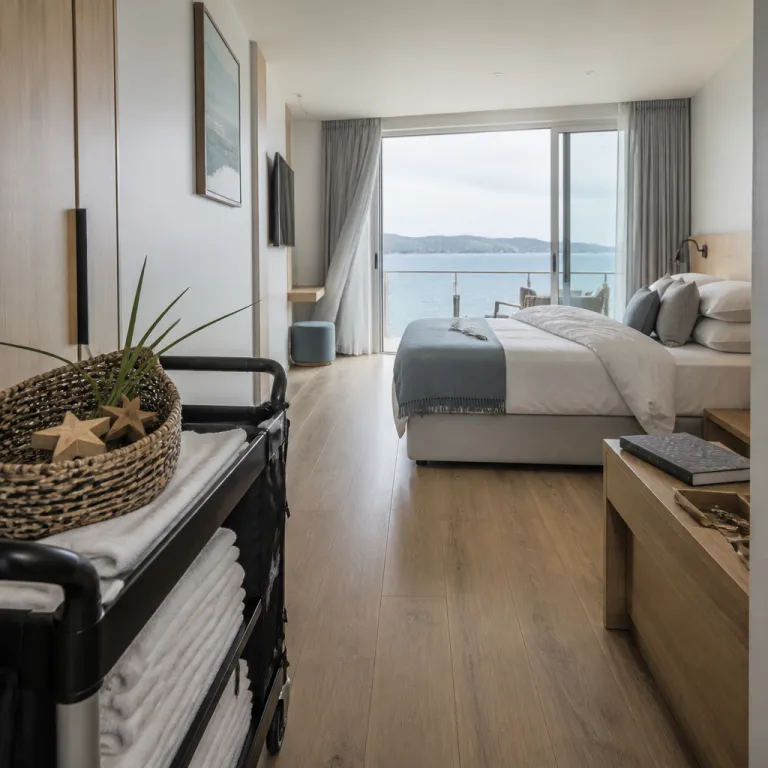
Luxury travelers looking to visit Aotearoa New Zealand for Matariki should prioritise harbourside properties in Auckland that offer easy access to Britomart, the Viaduct and the central city, where many events usually take place. Five-star hotels such as Park Hyatt Auckland, QT Auckland and The Hotel Britomart place you within a short walk of key Matariki ki te Manawa installations and waterfront performances, while Sofitel Auckland Viaduct Harbour and Hilton Auckland offer harbour views that frame the winter night sky. From there you can join curated Auckland tours that weave together Māori New Year narratives, winter dining and short ferry rides to island vineyards on Waiheke, turning a simple excursion into a full cultural immersion across north and south shores of the harbour. This is also a strong time to book private night walks with local guides, who can point out each Matariki star and explain how the cluster has signalled the Māori year ahead for generations.
Further north, the Matariki Pēwhairangi Bay of Islands Festival has in recent years run for around two to three weeks from late June through the July public holiday, with events spread across Russell, Paihia and Waitangi. In 2023 and 2024, for example, the official festival programme scheduled activities from the final week of June through early July, and organisers describe it simply and clearly in their own words: “Matariki is the Māori New Year, marked by the rise of the Pleiades star cluster.” For travellers planning a premium Matariki escape in New Zealand, the Bay of Islands offers some of the best dark sky conditions in the North Island, and high-end lodges here are already signalling three-night packages that combine traditional ceremonies, community feasts and small-group stargazing sessions over the water. Expect peak-season nightly rates at leading lodges such as Eagles Nest, The Lodge at Kauri Cliffs or Donkey Bay Inn to start from the mid to high hundreds of New Zealand dollars, with minimum stays and stricter winter booking terms around the holiday period.
Wellington and the South Island: firelight, rail journeys and alpine skies
Wellington’s waterfront becomes a focal point for premium Matariki experiences, especially during the Matariki Ahi Kā celebration at Odlin’s Plaza and along the harbour edge. Fire installations, light projections and live cultural performances turn the area into a night-time stage, so staying in a five-star or boutique hotel within a short walk keeps your trip effortless and your evenings flexible. Properties such as QT Wellington, InterContinental Wellington and the boutique Ohtel Wellington are well placed for walking to the main Matariki Ahi Kā sites, Te Papa Tongarewa and the city’s compact dining precincts. For many guests this is the best time to visit the capital, because the winter air is crisp, the southern stars feel close and the city’s compact size makes it easy to move between galleries, performances and late-night dining on the same day.
Across the Cook Strait, the South Island leans into its reputation for big landscapes and clear skies during the southern hemisphere winter, which runs through July and August. Christchurch and Kaikōura are especially relevant because Great Journeys New Zealand has operated special Coastal Pacific winter services between the two, including occasional evening departures with enhanced dining and commentary. In 2023 and 2024, these seasonal trains ran on selected winter dates, and exact 2026 details—such as whether a dedicated night train with telescope stargazing on an open-air viewing carriage will run—should be checked directly with the operator once timetables are released. For travelers focused on distinctive Matariki-themed rail journeys, aim to book as soon as winter schedules open—often six to nine months ahead—and budget from roughly NZD $200–$400 per person for premium seats and multi-course dining, depending on the final format.
Further south, Queenstown and the wider South Island region offer a different angle on the Māori year, with alpine lodges using the long nights to foreground the Southern Alps skyline and the southern hemisphere constellations. Many high-end properties now work with astronomy guides who frame each Matariki star within broader Polynesian navigation traditions, turning a simple look at the sky into a structured cultural experience that goes far beyond Lord of the Rings scenery. If you are comparing options for where to base yourself, Queenstown is better for dramatic winter landscapes and access to Milford Sound day trips, while smaller South Island towns excel at quiet, private retreats where you can reflect on the year ahead in near silence. As Ngāi Tahu cultural advisors have emphasised in public commentary about Matariki, the season is widely described as “a time to pause, remember and reset,” and the most rewarding itineraries build that reflective space into each stay.
Booking exclusive hotel deals in New Zealand with confidence becomes especially important around the July public holiday, because both domestic and international travelers now treat Matariki week as a prime time to visit New Zealand. Premium properties in both the North Island and South Island often release early-bird offers for the winter months, typically from late summer onwards, so monitoring these and locking in flexible rates can make a noticeable difference to the overall cost of your tour. For solo travelers planning a longer trip that combines multiple regions, consider structuring your itinerary around two or three key events, then using short internal flights or scenic drives to link each stay; many New Zealanders now book their Matariki long weekend by late autumn, so mirroring that timing helps secure preferred rooms and departure dates.
Dark sky stays, private experiences and how to book well
Because Matariki is anchored in the appearance of a star cluster, dark sky locations are central to luxury winter travel in New Zealand and deserve early attention when you plan your trip. Regions such as the Mackenzie Basin, parts of the South Island high country and offshore sanctuaries like Aotea Great Barrier Island offer some of the clearest night skies in the southern hemisphere, especially during the depth of winter. In these places, luxury lodges and premium eco retreats often provide telescopes, guided astronomy sessions and private outdoor hot tubs, allowing you to watch the stars and reflect on the Māori year in comfort. On a recent July stay at a Mackenzie Country lodge, for example, one Auckland couple described soaking in an outdoor tub while a local guide pointed out each of the nine Matariki stars and shared stories about how they relate to food, oceans and remembrance.
For travelers who want structured cultural depth, look for private tours that are explicitly designed around Matariki themes rather than generic New Zealand itineraries. Some operators now offer multi-day journeys that move between Auckland, Wellington and key South Island locations, combining marae visits, winter food experiences and guided stargazing that highlights each Matariki star and its meaning for harvests, oceans and remembrance. When comparing different New Zealand tours, prioritise those that work closely with local iwi and community groups, because they tend to handle Māori narratives with more authority and care and are more likely to adjust dates and content to align with local tikanga. For 2026, many premium operators will open Matariki bookings as soon as the official public holiday date is confirmed, so joining their mailing lists can help you secure limited small-group departures.
Hotel selection matters just as much as your choice of tour, especially if you want your stay to align with the reflective tone of the Māori New Year. Properties that take sustainability seriously, such as the zero-waste pioneers profiled in this guide to New Zealand lodges that turned sustainability into practice, often bring the same thoughtfulness to how they host Matariki events and winter gatherings. To keep the logistics simple, use a dedicated platform and a reliable premium hotel booking app for New Zealand luxury stays, then align your reservations with key dates such as the July public holiday, the main festival nights and any private experiences you have secured.
Practical notes for Matariki week luxury stays
Demand for high-end rooms during Matariki week now rivals the busiest summer periods in some parts of New Zealand, especially in Auckland, Wellington and the Bay of Islands. Because the official public holiday falls in July, many New Zealanders turn the long weekend into a short winter trip, which compresses bookings into a narrow time window. If your goal is a seamless luxury Matariki experience in New Zealand in 2026, treat this week as a peak season and secure both accommodation and key tours several months in advance; booking three to six months out is a sensible minimum for top-tier properties, with even earlier reservations advisable for suites and villas. As a practical benchmark, many five-star hotels in Auckland and Queenstown report that their most sought-after winter rooms are often committed by late April for July stays.
Weather during the winter months can be changeable across both the North Island and South Island, so flexibility is essential when planning outdoor stargazing or day trips to coastal areas such as Milford Sound. Many operators now offer alternative indoor cultural programmes on poor-weather days, which can include storytelling sessions about the Māori year, workshops on traditional navigation by the stars and shared meals that reinterpret seasonal ingredients. When you evaluate different things to do in New Zealand during Matariki, look for this kind of built-in resilience so your tour remains rewarding even if the Southern Alps are hidden behind cloud. Checking cancellation policies carefully and favouring flexible or semi-flexible rates can also protect your investment if storms disrupt flights or road access.
Finally, remember that Matariki is first and foremost a time for reflection, remembrance and community, not just another reason to travel. Respect local customs, arrive at events on time and follow guidance from hosts, especially when attending ceremonies connected to the Māori New Year. If you approach your 2026 Matariki journey in New Zealand with that mindset, the combination of winter light, southern stars and thoughtful hospitality will feel less like a standard holiday and more like a meaningful pause in the middle of the year.