Why winter is the secret season for luxury travel in New Zealand
Winter is when travel in New Zealand becomes quietly spectacular. For couples planning a refined trip, the South and North Islands shift from summer crowds to a slower rhythm that suits long dinners, late starts and curated tours. If you time your visit for the colder months, you unlock glacier walks, southern lights and hot pools that simply feel different under snow.
Luxury travelers weighing a North versus South Island itinerary for travel in New Zealand often assume summer is the best time to visit. Yet June to August is the ideal season to pair heli hiking with empty trails, to plan a road trip along the West Coast without traffic and to enjoy national park landscapes that feel almost private. When you visit New Zealand in winter, you trade beach days for rare things like aurora australis, bioluminescent caves and steaming pools framed by frost.
Travelers using a premium hotel booking website for New Zealand usually want clarity on where the best places are for winter-only experiences. The answer runs north–south through the country, from Rotorua’s geothermal park and Waitomo’s glowworm caves to the South Island glaciers and Stewart Island skies. A well planned New Zealand tour will stitch these highlights into a multi day journey, with each national park stay anchored by a lodge that understands how to turn cold weather into quiet luxury.
Franz Josef versus Fox: glacier walks in their most dramatic season
On the South Island’s West Coast, Franz Josef and Fox glaciers feel purpose built for winter travel. Both sit within Westland Tai Poutini National Park, yet each glacier offers a distinct style of hiking, light and sound as you move across the ice. Luxury lodges in nearby villages now design two or three day stays around heli access, spa recovery and slow evenings by the fire.
Franz Josef is the more dramatic of the pair, with steeper icefalls and blue crevasses that glow in low winter sun during a typical three hour guided hike. Fox Glacier is broader and slightly gentler, which makes it ideal for visitors new to glacier tours who still want the best views without technical climbing. A local guide might say, “If you can manage a steady uphill walk, we can get you onto the ice.”
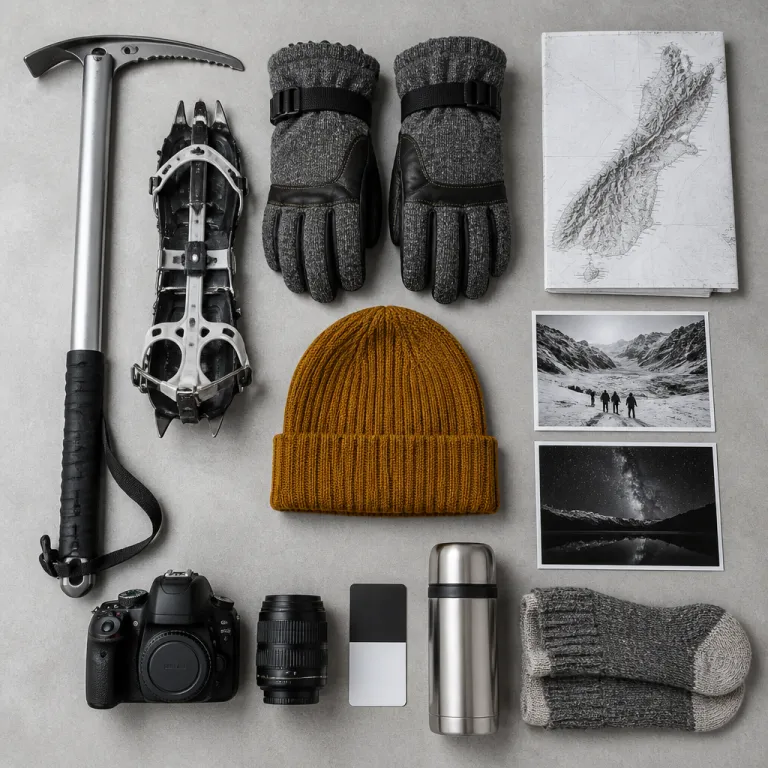
Operators in New Zealand borrow best practice from polar specialists, using crampons, ice axes and eco friendly equipment to protect both guests and the ice. Dress in layers, check weather forecasts and book tours at least a few weeks in advance, because winter departures are fewer but more prized. Many luxury properties in this part of New Zealand travel now coordinate private transfers, gear fitting and even scenic flights that sweep along the north–south spine of the Alps before landing directly on the glacier.
For couples comparing the best places to stay, a smart approach is to base one day near Franz Josef and another near Fox, then let your hotel concierge adjust the plan to the weather. This flexibility is where a curated New Zealand tour shines, especially when you combine glacier time with a later visit to Queenstown or a quiet retreat near Abel Tasman National Park. For a broader view of top rated luxury hotels that work well with such itineraries, consult a detailed guide to top rated luxury hotels in New Zealand and match properties to your chosen glacier experiences.
Chasing the southern lights and glow worms below the 45th parallel
Below the 45th parallel, winter nights in New Zealand become part of the itinerary rather than downtime. Stewart Island, Dunedin’s coast and the Mackenzie Basin near Lake Tekapo are among the best places in the Southern Hemisphere to see the aurora australis. What is the best time to see the Southern Lights? June to August during the Southern Hemisphere's winter, with the highest chances on clear, dark nights around the new moon.
Travelers planning to visit New Zealand for aurora viewing should treat it like a multi night tour rather than a single day event. Aurora visibility varies from year to year, and cloud, moonlight and solar activity all play their part, so a three or four night stay gives you the best chance. Luxury lodges in Tekapo and on Stewart Island now build New Zealand tours that combine daytime hiking, stargazing in the Aoraki Mackenzie International Dark Sky Reserve and late night aurora alerts delivered straight to your room.
Not every winter light show happens in the sky. On the North Island, Waitomo’s glowworm caves offer silent boat tours under ceilings of bioluminescent light that have developed over millions of years, while Te Anau on the South Island provides a quieter, more intimate alternative. Many travelers weave these caves into a longer road trip that links Auckland, Rotorua and Waitomo in the north, then flies south for Queenstown, Fiordland and the West Coast. For help choosing where to stay in comfort along such a route, a curated guide on where to stay in luxury in New Zealand can help you pair specific lodges with each region’s winter experiences.
Hot pools, wildlife and the art of the winter lodge itinerary
After a cold day on the ice or under the stars, New Zealand’s hot pools turn winter travel into something deeply restorative. Hanmer Springs in the south, Tekapo Springs in the Mackenzie Country and Rotorua’s geothermal spas on the North Island all offer steaming mineral water framed by snow dusted hills. For couples, the best time to visit is often late afternoon, when the light softens and you can move from pool to pool before a slow dinner back at your hotel.
Wildlife also peaks in winter, especially along the east coast of the South Island. Kaikōura’s resident sperm whales are present year round, but calmer seas and crisp air often make winter tours feel clearer and more comfortable, while the Otago Peninsula near Dunedin becomes a key place to see yellow eyed penguins returning to shore. Many high end lodges now design New Zealand travel packages that combine a whale watching day, a penguin focused tour and a final evening in a private hot tub listening to the distant sound of the ocean.
The most thoughtful properties treat winter as a canvas for multi day itineraries rather than a season to discount. A typical three night stay might include a guided hiking excursion in a nearby national park, a private tasting of local Pinot Noir, and a late evening stargazing session wrapped in blankets on your terrace. In Auckland, some premium hotels now offer heated balcony setups that make urban winter stays surprisingly romantic; if that appeals, consider Auckland stays with private balconies as a stylish bookend to a wilder South Island journey.
Milford Sound, Abel Tasman and designing a north–south winter route
Fiordland’s Milford Sound is often marketed as a summer cruise destination, yet winter may be the most atmospheric time to visit. Cooler air sharpens the sound of waterfalls, snow dusts the peaks and the fiord’s surface often lies glassy and still, especially on early morning tours. For couples, a winter Milford Sound cruise followed by a return to a quiet Queenstown lodge can be the highlight of a longer New Zealand travel itinerary.
Further north, Abel Tasman National Park offers a different kind of winter calm. Its coastal hiking tracks remain accessible, but the usual summer crowds thin, leaving golden beaches and clear water to a handful of walkers and kayakers on any given day. Many travelers design a north–south route that begins with a few days in Auckland and the North Island, then arcs through Abel Tasman and down the West Coast before finishing with Fiordland and a final night in Queenstown.
When planning such a trip, think in terms of experiences rather than a checklist of things to see. Start with the non negotiables — perhaps a glacier walk, a Milford Sound cruise and one aurora viewing base — then let a specialist in tour New Zealand logistics help you connect them with short flights and scenic drives. Couples traveling New Zealand from the United States often combine Australia and New Zealand in one journey; if you are considering an Australia–New Zealand pairing, allocate at least ten to fourteen days for the New Zealand section alone so you have enough time to visit New Zealand north and south without rushing.
How to choose and book luxury stays for a winter focused New Zealand journey
For a winter focused trip, the right hotel can make or break your experience. Look for properties that understand cold season rhythms, from late breakfast service for aurora chasers to drying rooms for glacier hiking gear and flexible spa hours after long tours. A strong luxury and premium hotel booking website for New Zealand will highlight these details clearly, rather than just listing room sizes and generic amenities.
When comparing options, prioritize location and access to key national park areas over sheer room count or brand familiarity. A small lodge near a South Island glacier or a Fiordland access point may offer more meaningful value than a larger property far from the action, especially if it includes guided activities in its New Zealand tours. Ask whether the hotel can coordinate private transfers, arrange road trip segments between regions and secure last minute spots on popular tours during the best time of winter.
Finally, consider how each stay fits into the overall flow of your New Zealand travel route. A city hotel in Auckland at the start, a sequence of nature focused lodges in the south and a final night near a quiet beach or vineyard can create a satisfying narrative arc. Whether you are booking a short New Zealand tour or a longer New Zealand travel journey that spans both islands, the goal is the same; to align your stays with the winter-only experiences that make travel in New Zealand below the 45th parallel feel like a privilege rather than a compromise.
FAQ
What is the best time to plan a winter focused trip to New Zealand?
The prime months for a winter focused trip to New Zealand are June, July and August, when glacier conditions are often most dramatic and aurora australis visibility is typically higher. This period also aligns with quieter national park trails and more availability at luxury lodges on both the North Island and South Island. If you want to combine glacier hiking, hot pools and potential southern lights, this is the best time to visit.
Are glacier hikes in New Zealand suitable for beginners?
Guided glacier hikes at Franz Josef and Fox are designed to be accessible for reasonably fit beginners. Operators provide crampons, ice axes and warm outer layers, and they adjust the pace and route to the group’s ability. In normal conditions, glacier hikes are considered safe for beginners when you join a reputable guided tour and use the proper equipment.
How many days should couples allocate for a winter itinerary across both islands?
Couples should plan at least ten to fourteen days if they want to experience both the North Island and South Island in winter without rushing. This allows time for a few days in Auckland and Rotorua, a visit to Waitomo’s glowworm caves, and a longer stretch in the south for glaciers, Milford Sound and possibly Stewart Island. With less than ten days, it is usually better to focus on either the north or the south to keep travel days manageable.
Do I need special clothing or equipment for winter activities?
For most winter activities, you will need warm, layered clothing, waterproof outerwear and sturdy boots suitable for wet or icy conditions. Glacier operators supply technical gear such as crampons and ice axes, while whale watching and aurora tours typically provide additional jackets or blankets. The key is to dress in layers so you can adjust easily as you move between heated vehicles, lodges and outdoor experiences.
Can luxury lodges arrange all my winter tours and transfers?
Many luxury lodges in New Zealand now act as full service bases for winter itineraries, coordinating glacier walks, Milford Sound cruises, aurora viewing excursions and hot pool visits. They often work closely with local tour operators and national parks to secure preferred time slots and private guides. When booking, ask specifically whether the property can bundle tours, transfers and multi day experiences into a single, well paced itinerary.