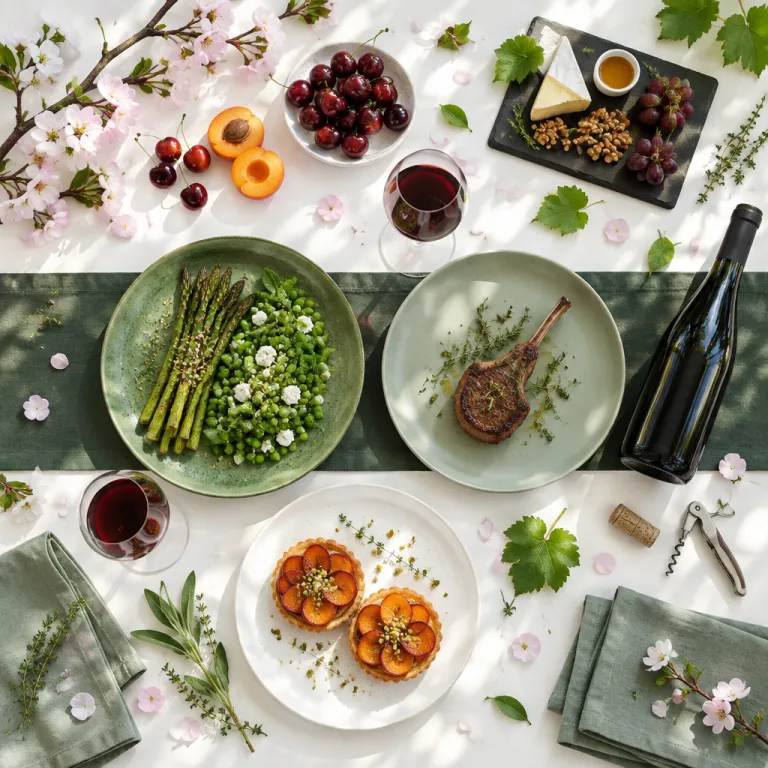
Central Otago spring vineyard dining for couples
From bare vines to blossom: why spring transforms Central Otago
Central Otago moves from stark, frosted rows to soft green and white blossom almost overnight. After the short, sharp winter the landscape shifts into a beautiful patchwork of flowering orchards, pale vine leaves and the wide river terraces that define this wine region. For couples planning a stay, this is when Central Otago spring vineyard dining feels intimate yet energised, with quieter cellar doors and chefs eager to talk through each new season plate.
The central plateau of New Zealand’s South Island sits among some of the world’s most southerly commercial Pinot Noir plantings. That latitude, combined with dry summers, cold winters and big diurnal swings, gives the Pinot and other wine styles from this southern pocket a tension that you taste clearly in the glass. When you read a wine list in a local winery restaurant here, you will find Pinot Noir and Chardonnay that feel laser precise, shaped by schist soils and the continental climate that makes Central Otago unique.
Spring is the reset point between the quiet of winter and the busy summer months in Central Otago. The days lengthen, the air softens, and long lunch services return to sunlit decks overlooking vines in Bannockburn and the Cromwell Basin. For travellers using South Island hubs like Queenstown or Wānaka as a base, this is the moment to plan a road trip that pairs cellar door tastings with relaxed, vineyard focused food rather than high season crowds, especially from late September through October when frost risk usually starts to ease.
Understanding the terroir: Bannockburn, Felton Road and the Carrick slopes
To appreciate Central Otago spring vineyard dining, it helps to understand where your glass of wine begins. The Bannockburn subregion, sitting above the Kawarau River, is one of the most expressive corners of Central Otago, with steep terraces that trap warmth and protect vines from the harshest South Island winds. Here, names like Felton Road and Carrick signal not only respected winery addresses but also specific exposures, soil profiles and microclimates that shape every Pinot berry.
Felton Road runs like a spine through this part of Central Otago, its gravel and schist seams giving Pinot Noir a finely etched structure and savoury depth. Around the bend, the slopes near Carrick catch long arcs of afternoon light, and in spring you can sit at a winery restaurant terrace and watch the last snow recede from distant peaks while tasting the first releases from the previous vintage. As one local winemaker likes to say, “September and October are when the vines wake up and the whole valley smells like blossom and fermenting Pinot.” The wine region feels compact on a map, yet each pocket of land expresses a different balance of red fruit, spice and mineral notes in the glass.
For travellers booking luxury stays, this terroir story matters because it shapes the food and wine pairing philosophy you will encounter. Many high end properties between Queenstown and Cromwell now build their restaurant menus around specific vineyard blocks, matching dishes to individual parcels from Felton Road, Carrick and neighbouring sites. If you are planning which reservations to secure before your trip, read the wine lists online and look for detailed vineyard references, a sign that the kitchen and cellar are working in close, thoughtful alignment with the surrounding Central Otago landscape.
Spring plates at the cellar door: from long lunches to vineyard suppers
By the time blossom appears on the apricot trees, Central Otago spring vineyard dining shifts outdoors again. Tables reappear under pergolas, tasting flights stretch into long lunch affairs, and chefs lean into the first flush of local asparagus, spring lamb and foraged greens. The mood is relaxed but precise, with winery teams eager to pour new season Pinot alongside dishes that highlight the freshness of the region’s food culture.
At a good winery restaurant in Bannockburn or the Cromwell Basin, you might start with delicate lake fish crudo, move to slow cooked lamb shoulder and finish with stone fruit desserts once the season advances. Each plate is calibrated to the structure of Central Otago wine, especially Pinot Noir, which carries enough acidity to cut through richer sauces while still feeling supple and romantic in the glass. Travellers who plan their day around these meals will find that a leisurely lunch among vines often replaces the need for a formal dinner back at their hotel, particularly when you factor in the easy 45–60 minute drives back to Queenstown or Wānaka.
If you are mapping out a wider New Zealand itinerary, it is worth reading about other vineyard food experiences such as the spring harvest tables in Hawke’s Bay, which we cover in detail in our guide to spring dining across Hawke’s Bay. That context helps you understand how Central Otago differs, with its more continental climate, its gold rush history and its focus on Pinot rather than Bordeaux blends. When you compare these regions, you will appreciate why this corner of the South Island feels so tailored to guests seeking quiet, vineyard centred days rather than large scale wine tourism.
Where to stay: lodges, country pubs and vineyard neighbours
Most luxury travellers approach Central Otago spring vineyard dining from a base in Queenstown or Wānaka. These hubs on the South Island offer a dense cluster of premium hotels, alpine lodges and design forward apartments, all within an easy day trip of the Cromwell Basin and Bannockburn. If you prefer to wake closer to the vines, a handful of high end stays now sit near key winery clusters, giving you short drives to Felton Road, Carrick and other cellar doors.
For those who like character with their comfort, a well restored country pub in a former gold rush settlement can be a compelling option. These properties often pair polished rooms with hearty, seasonal food and a wine list that leans heavily on local Pinot Noir and Chardonnay from the surrounding wine region. You will trade spa menus and room service for fireside tastings and conversations with locals, but many guests find that this balance of authenticity and quiet luxury suits the Central Otago mood.
Those seeking a deeper wellness angle can combine vineyard days with landscape focused retreats elsewhere in New Zealand. Our feature on New Zealand wellness retreats where the landscape does the healing outlines how to pair wine country stays with coastal or alpine escapes. When you plan your road trip this way, you will experience both the intensity of time among vines and the broader calm of South Island forests, lakes and thermal regions.
Planning your Central Otago spring road trip: timing, routes and pairings
Designing a road trip around Central Otago spring vineyard dining starts with timing your visit to the shoulder between frost and full summer. Aim for the window when blossom is still on the trees, cellar doors are open but not crowded, and long lunch services have resumed on outdoor terraces. During this period, you will enjoy clear light, cool mornings and comfortably warm afternoons that suit both tasting flights and short vineyard walks.
Many visitors choose to drive the loop between Queenstown and Cromwell, then continue towards Alexandra or even link Queenstown and Dunedin as a broader South Island itinerary. Along the way, you can stop at winery restaurants for multi course lunches, then drop into smaller cellar doors for focused Pinot Noir tastings. If you prefer a slower pace, consider spending a full day in Bannockburn, walking between a few key winery sites and ending with a relaxed dinner at a local restaurant that champions regional food.
When planning, read menus and wine lists in advance, and do not hesitate to email properties with specific questions about seasonal produce or vegetarian options. You will find that many Central Otago teams are small, passionate and happy to tailor experiences, from private tastings to vineyard picnics. For those tracking New Zealand’s broader fine dining evolution, our analysis of what luxury travellers should book ahead of potential Michelin recognition offers useful context on how Central Otago wine country fits into the national culinary picture.
FAQ
When is the best time in spring to visit Central Otago for vineyard dining ?
The sweet spot usually falls once frost risk has eased but before the peak of the summer months. At this stage, vines are leafing out, blossom is still visible and winery restaurants have reopened their outdoor spaces. You benefit from longer days, quieter roads and more time with winemakers and chefs at the cellar door, particularly from late September through October when Central Otago spring vineyard dining September–October itineraries feel most relaxed.
Can I stay in the vineyards, or should I base in Queenstown or Wānaka ?
Both approaches work, depending on how you like to travel as a couple. Basing in Queenstown or Wānaka gives you a wide choice of luxury hotels and easy access to non wine activities, with Central Otago vineyards reachable in under an hour. Staying closer to Bannockburn or Cromwell offers quieter nights, shorter transfers to tastings and a stronger sense of immersion in the wine region.
Do I need to book winery restaurants and tastings in advance during spring ?
Advance reservations are strongly recommended for any serious Central Otago spring vineyard dining itinerary. Many winery restaurants are small, chef led operations with limited seating, and some cellar doors offer structured tastings at set times. Booking ahead ensures you secure preferred time slots and allows teams to accommodate dietary preferences or special occasions.
Is Central Otago suitable for non wine drinkers who still enjoy food focused travel ?
Yes, the region works well even if one partner drinks little or no wine. Spring brings excellent local produce, from lamb and venison to stone fruit and artisan cheeses, and many properties design menus that stand on their own merits. Non drinkers can enjoy the scenery, walking trails and gold rush heritage sites while still sharing long lunches and relaxed evenings in vineyard settings.
How does Central Otago compare with other New Zealand wine regions for couples ?
Central Otago feels more continental and dramatic than coastal regions such as Hawke’s Bay or Marlborough. The focus on Pinot Noir, the dry summers and the mountain framed valleys create a mood that suits couples seeking romance, quiet and a sense of place. If you value landscape intensity and precise, cool climate wines, this part of the South Island should sit high on your New Zealand itinerary.