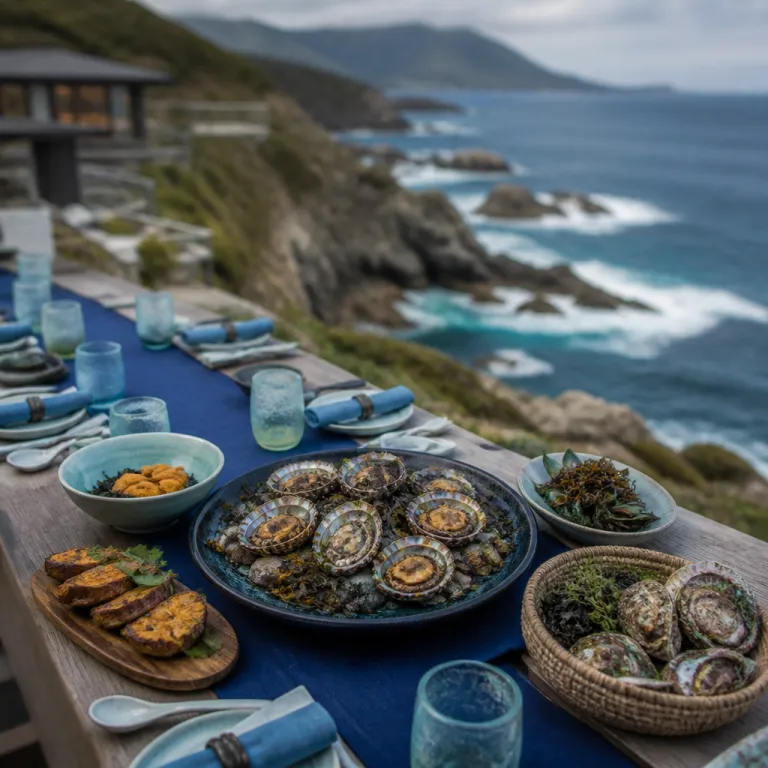
From earth oven to chef’s counter: why Maori kai defines New Zealand luxury
Luxury travelers are rethinking what makes the best dining experience in Aotearoa New Zealand. Instead of chasing imported caviar, they are seeking a more nuanced Māori food–focused New Zealand luxury journey where Indigenous kai, landscape and culture meet on the plate. In this country of two main island landforms, the North Island and the South Island, the most memorable meals now feel anchored in Māori flavours and the stories behind them.
At the heart of this shift sits the hāngī, the traditional Māori earth oven that once fed whole communities at gatherings across the country. Classic hāngī food such as root vegetables, fish and meat slow cooked in the ground still appears at marae and cultural events, yet modern chefs are translating its smoky depth into fine dining tasting menus in both Auckland and Wellington. When you book high end dining restaurants through a New Zealand luxury hotel, ask how the kitchen works with hāngī techniques, because the answer often reveals whether you are getting generic New Zealand food or a genuinely Indigenous-led culinary experience.
Chef Monique Fiso at Hiakai in Wellington is widely recognised for pioneering modern Māori cuisine, using methods that range from foraging native plants to adapting traditional cooking techniques with contemporary tools. Her work shows how traditional Māori knowledge can sit comfortably beside precise plating, thoughtful wine pairings and polished service in the best places for serious food travel. As one expert summary puts it, "What are traditional Māori ingredients?" and answers, "Kūmara, pūhā, horopito, kawakawa, and kaimoana." In interviews, Fiso has described Hiakai’s approach as “manaakitanga on the plate,” emphasising respect for growers, iwi partners and the whenua that produces each ingredient.
Tamaki Makaurau Auckland: where Indigenous ingredients meet the first Michelin stars
Tāmaki Makaurau Auckland has become the testing ground for how a Māori kai–driven New Zealand luxury concept can work at the very top end of the market. In the city’s harbourside towers and discreet inner city dining rooms, chefs are building menus around traditional Māori ingredients while still delivering the kind of fine dining choreography global travelers expect. For guests booking premium suites, the question is no longer whether a restaurant is one of the Auckland best addresses, but whether it treats Māori kai as the country’s true luxury resource.
Ahi, in the heart of Auckland, is a clear example, with a menu that leans into Indigenous produce and New Zealand food heritage while maintaining the polish of international fine dining restaurants. Here you might taste slow cooked pāua, horopito spiced lamb or kumara cooked over native wood, each dish paired with New Zealand wine that speaks to the same South Pacific climate and soils as the ingredients. In June 2024, the Michelin Guide confirmed it would announce New Zealand’s first stars on 30 June, and informed travelers are already reading about which luxury tables to secure before the ceremony, with many of those shortlists now prioritising kitchens that showcase traditional Māori techniques.
Beyond Ahi, a new generation of Auckland restaurants is exploring Māori food in both casual and elevated formats, from waterfront grills to inner suburb cafés. You might start a day with breakfast lunch service at a refined cafe that bakes rewena bread, then move to a harbourside restaurant for green lipped mussels steamed with kawakawa and coastal herbs. For travelers using a luxury hotel booking website, filtering for properties that partner with these restaurants is one of the best ways to ensure your stay in Auckland includes a genuinely local dining experience. When in doubt, ask whether the hotel has formal relationships with mana whenua or local iwi for guidance on sourcing and cultural protocols around Indigenous ingredients.
From Bluff oysters to green lipped mussels: coastal kai in north and south
Coastal New Zealand has always offered exceptional seafood, yet the contemporary Māori cuisine–focused New Zealand luxury movement is reframing these ingredients through an Indigenous lens. On the South Island, chefs are treating Bluff oysters not just as a seasonal delicacy, but as part of a wider story about Māori kai, ocean stewardship and South Pacific currents. In the North Island, the same shift is happening with green lipped mussels, pāua and line caught fish, which now appear in tasting menus that reference traditional Māori fishing grounds and protocols.
In Bluff itself, small dining restaurants and more polished restaurants in nearby Invercargill and Queenstown are building menus around Bluff oysters and other fresh catch, often pairing them with native herbs or smoked elements inspired by hāngī. Travelers who care about provenance should ask how the kitchen sources its fish and shellfish, and whether the team works with local iwi such as Ngāi Tahu to respect traditional Māori knowledge of the tides. On the west coast of the South Island, where wild weather shapes both landscape and appetite, you will find chefs serving lipped mussels in broths scented with kawakawa, or using horopito to season grilled fish in a way that feels both ancient and sharply modern.
Wine lists are evolving alongside the food, with sommeliers matching coastal kai to cool climate Chardonnay, textured Pinot Gris or saline sparkling wines from across the country. Some of the best places to experience this are luxury lodges that combine foraging walks, cellar sessions and chef’s table dinners, often pouring rare bottles usually kept only at the cellar door, a philosophy explored in depth in our guide to unlisted Pinot Noir at Hawke’s Bay tables. Ngāi Tahu representatives frequently stress that “moana is our pantry and our responsibility,” a reminder that genuine luxury seafood experiences in New Zealand depend on quota systems, rāhui and long term partnerships with iwi rather than simple access to premium shellfish.
Cafés, lodges and marae: where luxury travelers really taste Maori flavours
Not every meaningful Māori food–driven New Zealand luxury moment happens under white tablecloths and stemware. Some of the most resonant encounters with Māori kai unfold in small cafés, lodge kitchens and on marae, where context matters as much as the food itself. For solo travelers, these settings often feel more intimate and less scripted than formal tasting menus, while still delivering the best kind of cultural immersion.
In Auckland, the Blue Rose café in Sandringham has become a quiet reference point for how a neighbourhood cafe can weave traditional Māori and Pasifika flavours into everyday New Zealand food. Here, pies might be filled with hāngī style meats or creamed pūhā, and breakfast lunch plates can feature rewena bread alongside contemporary café staples, making it a useful counterpoint to the more theatrical fine dining restaurants in the central city. Similar stories play out at Rose Café style venues across the country, where chefs use Māori food elements such as kawakawa pesto or kumara hash to ground otherwise familiar dishes.
At the top end of the market, luxury lodges on both the North Island and South Island are building full culinary itineraries around Māori ingredients, from foraging walks to hāngī inspired dinners cooked in modern ovens. Some partner with local marae to offer hosted meals where guests share kai, listen to stories and understand why traditional Māori food practices emphasise balance with the environment. When invited onto a marae, visitors are expected to follow local kawa and tikanga, which may include pōwhiri, karakia before eating and guidance from kaumātua; for travelers interested in the deeper wellness dimension of Indigenous knowledge, our feature on rongoā Māori and geothermal healing traditions shows how food, land and health are intertwined in ways that go far beyond a single restaurant booking.
How to book hotels that take Indigenous culinary experiences seriously
Choosing the right hotel is now as critical to your Māori cuisine–inflected New Zealand luxury journey as picking the right table. Many of the best properties act as culinary concierges, curating access to both headline restaurants and quieter local experiences that a casual visitor might miss. When browsing a luxury and premium hotel booking website, read beyond star ratings and focus on how each property talks about food, wine and cultural partnerships.
Look for hotels that name specific restaurants, cafés and producers they work with, whether that is a reservation pipeline to Ahi in Auckland, a relationship with a local marae for shared hāngī, or collaborations with chefs who specialise in traditional Māori ingredients. Ask whether the in house restaurant uses fresh local fish, Bluff oysters in season, or green lipped mussels from nearby waters, and whether the team can arrange visits to farmers, foragers or food festivals. Properties that invest in this level of detail usually also train their staff to speak confidently about Māori food traditions, which makes every breakfast lunch service or casual cafe snack feel like part of a coherent dining experience rather than a generic hotel buffet.
For solo explorers, flexibility matters, so prioritise hotels that can secure last minute seats at sought after dining restaurants while also pointing you toward low key best places such as neighbourhood cafés or coastal fish shacks. The most forward thinking teams understand that Māori flavours should appear across the stay, from a welcome drink infused with kawakawa to turndown treats inspired by rewena bread or kumara. In a country where only a minority of restaurants currently incorporate Māori ingredients, choosing accommodation that champions Indigenous kai, seeks consent from iwi for cultural storytelling and acknowledges guardianship roles like kaitiakitanga is still the most reliable way to ensure your New Zealand food travel feels genuinely luxurious and deeply rooted in place.
FAQ
What is a hāngī and where can I try it in New Zealand ?
A hāngī is a traditional Māori method of cooking food in an earth oven, where heated stones are buried with meat, vegetables and sometimes fish to create slow cooked, smoky kai. Visitors can try hāngī at cultural performances, marae based experiences and some specialist restaurants, especially in Rotorua and other geothermal regions. Many luxury lodges now offer hāngī inspired dinners that adapt the technique to modern kitchens while keeping the flavour profile intact.
Which restaurants are leading modern Māori cuisine in New Zealand ?
Hiakai in Wellington, led by chef Monique Fiso, is widely regarded as a benchmark for modern Māori cuisine that blends foraged native plants, traditional techniques and contemporary presentation. In Auckland, Ahi and a growing number of high end restaurants integrate Indigenous ingredients such as horopito, kawakawa, kumara and pāua into fine dining tasting menus. Travelers should also pay attention to smaller cafés and regional dining rooms that work closely with local iwi to present authentic Māori flavours.
How can I experience Māori food culture beyond restaurants ?
Beyond formal restaurants, travelers can experience Māori food culture through marae visits, guided foraging walks, food festivals and lodge based culinary programmes. Many hosts explain the cultural significance of ingredients, from kūmara and rewena bread to kaimoana such as green lipped mussels and Bluff oysters. Booking accommodation that partners with local Māori communities is often the most effective way to access these experiences respectfully.
Is Māori cuisine compatible with luxury and fine dining expectations ?
Māori cuisine adapts naturally to luxury contexts because it emphasises seasonality, provenance and a strong sense of place, all of which align with modern fine dining values. Chefs across the country are using traditional techniques such as hāngī alongside precise contemporary methods to create tasting menus that feel both refined and grounded. For high end travelers, this means you can enjoy polished service, thoughtful wine pairings and elegant plating while still engaging deeply with Indigenous food traditions.
Where should I stay if I want Indigenous ingredients at the centre of my trip ?
Travelers who want Indigenous ingredients at the centre of their trip should prioritise luxury lodges and premium hotels that highlight Māori partnerships and culinary programmes in their descriptions. Properties in Auckland, Wellington, Rotorua and along the South Island’s west coast are particularly active in this space, often combining restaurant access with cultural experiences. When booking, ask specific questions about how the hotel incorporates Māori kai into its menus and guest activities to ensure the experience matches the marketing.