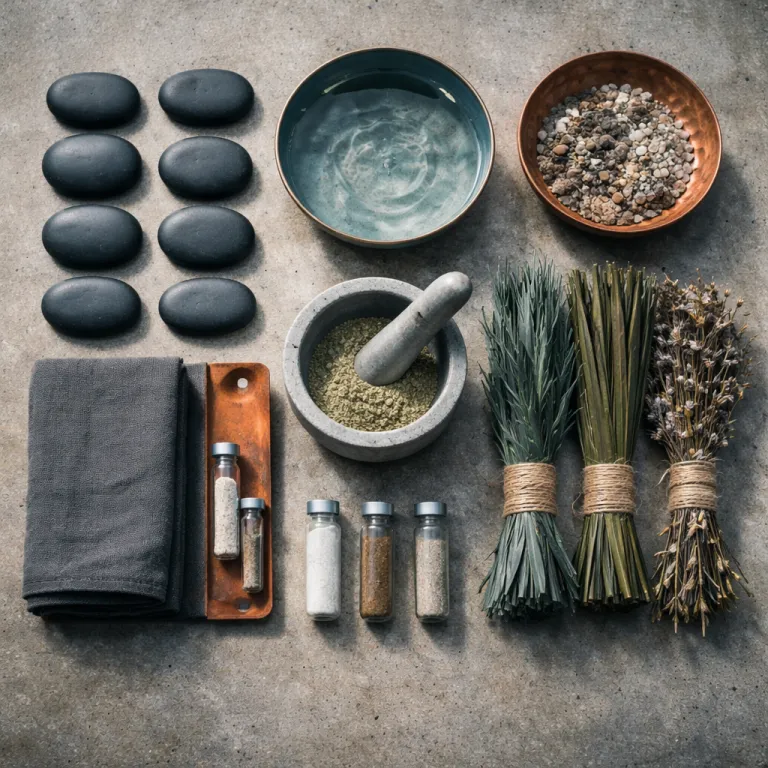
Rongoā Māori healing wellness in a luxury travel context
Rongoā Māori healing wellness in a luxury travel context
Rongoā Māori healing wellness sits quietly behind many spa menus in Aotearoa New Zealand, yet it shapes how Māori understand health, land and community. This traditional healing worldview weaves rongoā rākau plant medicine, mirimiri and romiromi bodywork, and spiritual care into one continuum, so luxury travelers who only book a generic massage miss the deeper connection. When you plan a premium stay in New Zealand, treating rongoā Māori as a living cultural practice rather than a themed treatment changes how you choose both hotel and wellness program.
At its core, rongoā is a system of traditional Māori healing practices that align physical, emotional and spiritual health with the rhythms of place. Manatū Hauora | Ministry of Health recognises rongoā Māori as part of New Zealand’s health landscape and describes it as a traditional Māori healing system using native plants and spiritual practices, supported through its Rongoā Māori Work Programme and associated funding. In a 2022 Manatū Hauora update, officials noted that around 150 rongoā Māori providers and practitioners were being supported nationally, illustrating how deeply this knowledge sits within contemporary Māori health services. When you see rongoā Māori on a spa or retreat menu, you are stepping into a Māori traditional knowledge stream that has survived suppression, revival and now careful integration with complementary and alternative therapies in high end properties.
For luxury couples, the question is not whether rongoā exists, but where it is held with integrity. Authentic Māori healing is led by tohunga or trained practitioners whose practice of rongoā is grounded in whakapapa, te reo Māori language and local plant knowledge, not by a wellness team that has simply rebadged a hot stone massage. As Ngāti Whakaue kaumātua often emphasise when speaking about local healing traditions, “the mana of rongoā sits with the people who carry it, not with the building around them”. When you evaluate a hotel’s wellness program, ask who designed the rongoā Māori offering, which iwi or hapū they work with and how cultural support is built into the guest journey.
Rongoā rākau, the plant based stream of traditional Māori medicine, is often the most visible entry point for visitors. You may encounter balms, oils or teas described as rongoā remedies, but in a serious practice these are part of a wider framework that includes karakia, mirimiri bodywork and spiritual health rituals. A thoughtful article on any luxury travel platform should make clear that these healing practices are not interchangeable spa add ons, but expressions of Māori rongoā that carry responsibilities for both hosts and guests.
For couples planning a two week itinerary, this means placing rongoā Māori healing wellness alongside your vineyard lunches and alpine hikes, not beneath them. Choose one or two moments where the focus is on Māori health and holistic wellbeing, ideally in a setting where the land itself is central to the experience. When your stay is based around that kind of cultural connection, the memory of geothermal steam, native plant fragrance and quiet reo Māori chants will sit far deeper than any scented candle in a treatment room.
What rongoā Māori is – and what it is not
Rongoā Māori is first a worldview, then a set of techniques, and only finally a spa treatment. Traditional Māori healing understands people as inseparable from their whenua, so health care is about restoring balance between land, ancestors, body and spirit rather than fixing a single symptom. When a luxury property claims to offer rongoā Māori healing wellness, you should expect that wider cosmology to shape the entire experience, not just the marketing copy.
Authentic Māori healing practices draw on rongoā rākau plant remedies, mirimiri and romiromi bodywork, and spiritual rituals guided by karakia and waiata. In serious rongoā practice, tohunga and trained practitioners work with whānau, hapū and iwi as a group, because Māori health is understood collectively as much as individually. That is why many iwi based wellness centres emphasise whānau support spaces, shared thermal pools and communal reflection areas rather than only private treatment rooms for couples.
Rongoā Māori is not a themed scrub with a few kawakawa leaves scattered on the floor. When a hotel wellness menu lists “traditional Māori massage” without naming the practitioner, iwi partners or cultural advisors, you are probably looking at a generic treatment with a Māori label. A credible luxury operator will be transparent about who holds the knowledge, how the practice is supervised and what cultural protocols guests are asked to follow.
Wai Ariki Hot Springs and Spa in Rotorua is a clear case study of how this can work at scale without losing integrity. Māori owned by Ngāti Whakaue through the Pukeroa Oruawhata Group, the entire geothermal journey is based on local traditional healing narratives, from the sequence of pools to the use of specific plant infusions and guided moments of spiritual connection. Pukeroa Oruawhata Group has described Wai Ariki as a “taonga for Ngāti Whakaue and manuhiri”, signalling that commercial success is intended to sit alongside cultural guardianship and community benefit. For travelers comparing wellness options, reading a detailed guide to Aro Hā and Wai Ariki as two New Zealand answers to the same wellness question on a specialist wellness comparison can help you see how different properties interpret rongoā Māori in practice.
There is also a line between respectful integration and cultural appropriation. Some commercial spas license Māori imagery or reo Māori names while keeping their healing practices entirely Western, which may feel polished but hollow once you understand the depth of Māori rongoā. As a guest, you hold quiet power; by choosing iwi led or co designed experiences, you reward properties that treat rongoā Māori healing wellness as a living cultural taonga rather than a decorative theme.
Inside Wai Ariki Rotorua – geothermal rongoā in practice
On the Rotorua lakefront, Wai Ariki is where rongoā Māori healing wellness steps out of the brochure and into the steam. The architecture is low and grounded, but the geothermal energy beneath your feet has been part of Ngāti Whakaue health practices for generations. Couples who arrive expecting a standard thermal spa quickly realise this is a guided cultural journey, not just a sequence of hot pools.
The signature experience unfolds over several hours, moving you through contrasting temperatures, textures and spaces that mirror traditional healing pathways. You might begin in a warm, mineral rich pool that supports physical relaxation, then shift into cooler waters and steam rooms where the focus turns to circulation, breath and subtle spiritual health. At each stage, the design references local stories, and staff quietly weave reo Māori phrases and explanations of rongoā rākau into their care.

Protocols matter here, and they are part of the depth. Expect to be briefed on bathing etiquette, modesty, the significance of certain spaces and why some areas are more contemplative than social, especially if you are visiting as a group. This is not about rigid rules; it is about aligning your behaviour with a Māori traditional understanding of tapu and noa, so the healing practices remain safe for both people and place.
Many couples choose to add a mirimiri or romiromi session that integrates plant based rongoā remedies with deep tissue work and energy balancing. These sessions are tailored to your physical and emotional state, with practitioners drawing on Māori rongoā knowledge that has often been refined through both community apprenticeship and formal study at institutions such as the University of Auckland’s programmes in Māori health and indigenous studies. The University of Auckland, for example, offers postgraduate qualifications in Māori health that explore indigenous models of wellbeing and the place of rongoā Māori within contemporary care, giving practitioners a robust academic framework alongside lived experience. When you emerge, the sense of health and wellbeing feels layered – muscles softened, mind quiet, and a renewed connection to the geothermal landscape that goes beyond simple relaxation.
For luxury travelers used to five star spas, the difference lies in intention. Every element at Wai Ariki, from the mineral composition of the pools to the placement of native plantings, is based on traditional healing principles rather than Instagram backdrops. If you are curating a high end North Island itinerary, anchoring one night in Rotorua around this rongoā Māori experience gives your trip a cultural and spiritual spine that no amount of imported marble can match.
How to choose authentic rongoā Māori experiences on a luxury itinerary
Couples planning a premium New Zealand journey often start with the big names – Queenstown lodges, Hawke’s Bay vineyard stays, Waiheke Island suites. To weave rongoā Māori healing wellness into that arc, you need to ask sharper questions than “is there a spa on site”. The goal is to find properties where Māori healing is integrated into the wider hospitality philosophy, not bolted on as a themed package.
Begin by looking for iwi ownership, partnership or long term cultural advisory relationships. When a hotel or retreat states that its wellness program is co designed with local Māori, check whether they name the iwi, describe how rongoā Māori practitioners are involved and explain how revenue supports community health or education. This level of transparency signals that Māori traditional knowledge is being treated as a serious pillar of health care, not a decorative motif.
Next, read the wellness menu with a critical eye. Authentic rongoā practice will reference specific rongoā rākau plants, explain the purpose of each healing ritual and often include elements of reo Māori, karakia or guided reflection that address spiritual health alongside physical tension. If every treatment could be lifted into a spa in another country without changing a word, the cultural connection is probably superficial.
Location also shapes the depth of experience. On the North Island, geothermal regions such as Rotorua and Taupō lend themselves naturally to rongoā Māori journeys, while coastal retreats in Northland or the Coromandel may focus more on plant based rongoā remedies and ocean centred rituals. In the South Island, alpine lodges near Queenstown or Wānaka sometimes collaborate with local practitioners to offer occasional Māori rongoā sessions, which can be a meaningful complement to more conventional wellness facilities and the kind of lakeview luxury highlighted in curated Queenstown hotel guides.
Finally, consider how many rongoā experiences you include across a 10 to 14 day trip. One deep, well contextualised encounter – perhaps a geothermal journey at Wai Ariki combined with a private session with a tohunga or senior practitioner – will usually serve you better than several tokenistic treatments. When rongoā Māori healing wellness is woven thoughtfully between vineyard tastings, coastal walks and alpine drives, it becomes a quiet through line that keeps your focus on connection, care and balance rather than on ticking off attractions.
Protocols, impact and integrating rongoā Māori with modern wellness
Stepping into rongoā Māori healing wellness as a visitor carries responsibilities that go beyond signing a consent form. You are entering a cultural space where knowledge has been protected through suppression, revival and now careful sharing with manuhiri, so respect is not optional. The simplest starting point is to listen, follow guidance and treat each protocol as part of the healing, not an obstacle to it.
Before your appointment or geothermal journey, staff may explain why certain areas are quiet zones, why photography is restricted or why you are asked to move through spaces in a particular order. These instructions are based on traditional healing principles that balance tapu and noa, and they help maintain both physical and spiritual safety for everyone present. When you honour these boundaries, you support the practitioners’ ability to hold the space and protect the integrity of Māori health practices.
There is also a financial dimension that matters for conscious luxury travelers. Iwi owned or iwi partnered operations channel revenue into whānau wellbeing, education, environmental projects and sometimes direct health services, aligning rongoā Māori with broader health and wellbeing outcomes in their communities. By contrast, commercial spas that license Māori imagery without deep partnership may keep most of the value within a corporate structure, even if the treatments reference Māori rongoā or reo Māori names.
Rongoā Māori increasingly sits alongside Western medicine as a complementary pathway within New Zealand’s health system. Manatū Hauora has noted that around 150 rongoā Māori providers and practitioners are supported through its funding arrangements, and some public health services integrate rongoā into hospital or community care for physical and emotional support. For travelers, this means you may encounter rongoā Māori not only in luxury retreats but also in community clinics or wellness centres, where the focus is less on indulgence and more on long term balance.
When you leave Aotearoa, the most valuable souvenir from a rongoā Māori experience is usually a shift in how you think about health, land and time. You may carry home a small rongoā rākau balm or tea, but the deeper gift is an embodied sense that care can be based on relationship rather than extraction. For couples who travel to feel changed rather than simply rested, that is the kind of quiet luxury that lingers long after the flight home.
FAQ
What is rongoā Māori in simple terms for travelers
Rongoā Māori is a holistic Māori healing system that combines native plant medicine, bodywork and spiritual practices to restore balance between people and the land. It is not just a spa treatment, but a traditional healing framework that shapes how many Māori understand health and wellbeing. As a traveler, you might encounter it through geothermal journeys, mirimiri massage, romiromi bodywork, rongoā rākau balms or guided rituals in iwi led wellness spaces.
Is rongoā Māori recognised within New Zealand’s health system
Yes, rongoā Māori is formally recognised as part of New Zealand’s health landscape and is increasingly integrated as a complementary option alongside Western medicine. Manatū Hauora | Ministry of Health acknowledges rongoā Māori providers and practitioners through dedicated funding, and some public health services offer access to traditional healing for patients and whānau. This recognition helps protect cultural knowledge while giving Māori communities more choice in how they receive care.
Can anyone practice rongoā Māori, or only trained experts
Traditional rongoā Māori is taught through long apprenticeships with tohunga and experienced practitioners, often within whānau, hapū and iwi structures. Today, there are also formal qualifications and university level programs, including courses at the University of Auckland in Māori health and indigenous healing, that support rigorous training. While introductory workshops may be open to visitors, deep healing work should always be led by qualified practitioners who hold both cultural and clinical responsibility.
How can luxury travelers respectfully include rongoā Māori in a short trip
The most respectful approach is to choose one or two well curated, iwi led experiences and give them time and attention. For example, you might anchor a North Island itinerary around a geothermal journey at Wai Ariki in Rotorua, then add a private mirimiri session with a recognised practitioner. Ask questions about iwi partnerships, follow all protocols and treat the experience as a chance to learn about Māori cultural values rather than just another spa booking.
What questions should I ask before booking a rongoā Māori treatment
Before you confirm a booking, ask who designed the treatment, which iwi or Māori advisors are involved and how practitioners were trained. It is also reasonable to ask how your payment supports local communities and whether any plant based remedies are sustainably sourced. Clear, confident answers to these questions are a strong sign that the rongoā Māori offering is grounded in genuine cultural partnership rather than surface level branding.