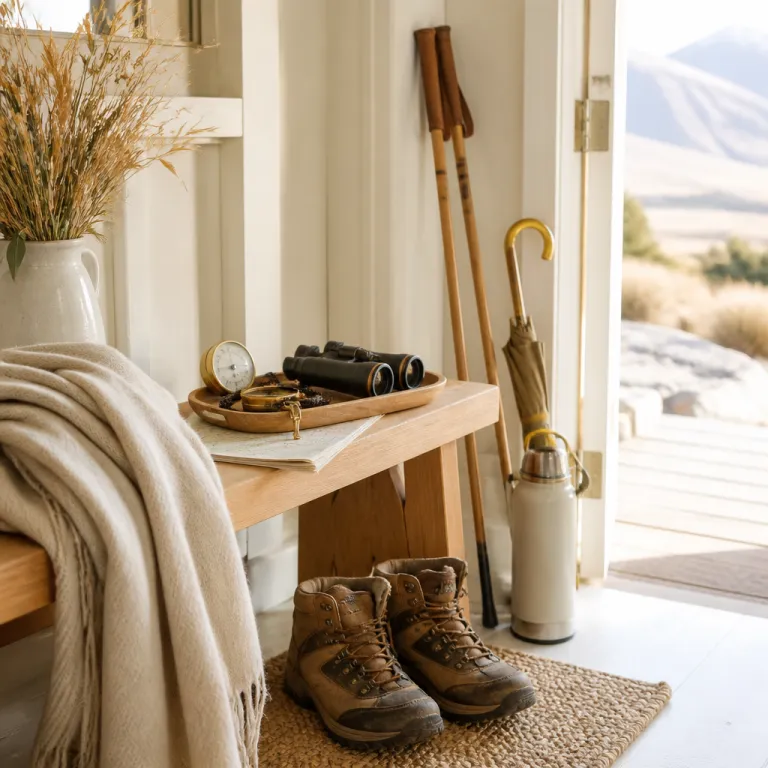
Why September is the quiet luxury moment for New Zealand
For New Zealand shoulder season travel, September sits in a rare sweet spot. Average daytime temperatures in many regions hover around 16 °C, so the weather feels gentle while the last traces of winter still dust the ranges and the first spring light softens the valleys. Those who visit New Zealand at this time avoid the high season crush yet still enjoy long enough days for serious exploration.
Across the months of June to August, the country leans into deep winter, then pivots quickly toward summer from December to February, which becomes the classic peak season. September falls between these extremes, a shoulder period that often delivers meaningful savings on premium rooms compared with the most expensive summer months. Publicly available rate snapshots from properties such as Eichardt’s Private Hotel in Queenstown and The Rees Hotel show late September suites priced around 20–30 % below mid January levels on selected dates, especially for three night stays, although exact figures vary by property and region.
Luxury lodge owners across both the North Island and the South Island consistently describe this as the best time to balance value, privacy and range of activities. One verified industry summary puts it plainly: “Yes, it offers fewer crowds and diverse activities.” When you plan a New Zealand tour around this shoulder season window, you secure an ideal moment to enjoy attentive service, flexible check in and the kind of unhurried conversations with chefs and guides that rarely happen during peak season. For peak September dates, many advisors suggest confirming preferred suites six to eight months ahead and then using direct lodge email or phone contact to fine tune transfers, activities and dining.
South Island in September: ski mornings, wine evenings, fjord days
On the South Island, New Zealand shoulder season travel in September means you can ski Cardrona in the morning and taste Central Otago Pinot Noir by late afternoon. Higher altitude fields such as Treble Cone and Mt Hutt usually run through this month, so winter lingers on the slopes while spring wildflowers start to edge the lakes. It is the perfect time to visit Queenstown if you want crisp snow conditions without the high season queues at the lifts.
Plan four to six days for this part of your trip, then add a similar number of days for Fiordland and Central Otago to round out the experience. A smart way to structure your journey is to start with late season skiing, then shift to a Milford Sound cruise when the weather calms and wildlife activity increases. For a deeper sense of how this rhythm works in colder months, the itinerary ideas in the guide to Central Otago in June translate smoothly into a more forgiving September climate.
Spring on the South Island also brings quieter cellar doors and more time to talk with winemakers about regional stories that rarely make it into brochures. You still feel the tail of winter in the morning air, yet by mid afternoon the season tilts toward early summer, especially on sheltered vineyard terraces. For many repeat guests who travel to New Zealand regularly, this shoulder season combination of snow, wine and fjord light has become a reliable pattern they return to every few years.
North Island routes: city suites, coastal retreats and geothermal calm
While the South Island leans into alpine drama, the North Island in New Zealand shoulder season travel during September offers a different kind of quiet luxury. Auckland and Wellington host conferences and board meetings, yet leisure demand remains softer than during midsummer, so premium hotels often release attractive corporate extensions. For executives, this is the perfect time to turn a two day agenda into a five day trip that includes both city suites and coastal lodges.
Weather patterns in these months tend to be milder than in the south, which makes it easier to balance meetings with outdoor activities such as harbour sailing, guided walks or golf. Rotorua and Taupō come into their own in this season, with geothermal steam rising through cool morning air and lake horizons staying uncrowded even on clear days. When you visit New Zealand at this time, you experience the islands in a more local rhythm rather than the peak season pace of December to February.
For a structured overview of where to stay, the analysis of New Zealand’s luxury hotel landscape helps you match properties to your preferred style of service. Many of these lodges quietly treat September as one of their internal shoulder seasons, adjusting minimum stay rules and adding thoughtful inclusions such as private tastings or extended check out. If you time your visit carefully around your meetings, you can fold in geothermal spa sessions, coastal hikes and other distinctly New Zealand experiences without paying peak season premiums.
How to choose and book the right lodge in September
For New Zealand shoulder season travel, September rewards travelers who plan with precision rather than rigidity. The context is a transition from winter to spring, so packing for variable weather and building flexible itineraries is essential. That means layering for cool mornings, allowing spare days for shifting activities and using online platforms such as mynewzealandstay.com to compare tour options across both islands.
From a pricing perspective, September usually sits below the high season of summer yet above the very lowest winter rates of June to August. The potential savings compared with peak season can reach around 30 % on selected dates, especially on longer stays at remote lodges where demand spikes in the warmest months; treat this as an indicative range rather than a guaranteed discount. For travelers who want to visit New Zealand with high service standards but also care about value, this season becomes a practical compromise between rate and experience.
Well run properties lean into this shoulder season by curating activities that combine the last of winter with the first light of spring. At wilderness focused retreats such as Maruia River Retreat, you might pair a morning spa ritual with an afternoon forest walk under fresh new leaves. When you explore New Zealand in this way, using local guides and tour operators as partners, you turn a simple visit into a layered adventure that feels both efficient and indulgent.
FAQ
Is September a good time to visit New Zealand for a luxury lodge stay ?
Yes, it offers fewer crowds and diverse activities. For high end travelers, that translates into more attentive service, better room choice and easier access to signature experiences such as private tastings or heli excursions, all while avoiding the intensity of peak season.
What activities are available in September near premium lodges ?
Operators highlight a broad mix of options: “Skiing, hiking, and wildlife viewing.” In practice, that can mean late season skiing in Wānaka, guided coastal hikes in the Bay of Islands, vineyard walks in Central Otago and calm weather cruises in Fiordland, often all within a single multi stop itinerary.
Are accommodations cheaper in September compared with peak summer ?
Yes, prices are generally lower than peak season. Many luxury lodges treat this as a strategic shoulder season, offering softer rates, added inclusions or more flexible minimum stay rules, especially for guests booking several nights or combining North Island and South Island properties in one trip.
How should I pack for New Zealand shoulder season travel September ?
Pack for variable weather, because the islands are shifting from winter toward summer and conditions can change within hours. A layered wardrobe with a waterproof shell, light knitwear, breathable shirts and smart casual pieces for lodge dining will cover most scenarios, while sturdy shoes and a compact down jacket keep you comfortable from alpine mornings to mild coastal evenings.
How many days should I plan for a September lodge itinerary ?
For a balanced trip that includes both islands, aim for at least ten to twelve days, splitting time between one South Island alpine or fjord lodge and one North Island coastal or geothermal retreat. If your schedule is tighter, a focused five to seven day stay in either Queenstown and Fiordland or Auckland and the Bay of Islands still delivers a strong sense of the season without feeling rushed.